A home lift is GST-free in Australia only when it meets all three tests in subsection 38-45(1) of the GST Act: it is covered by Schedule 3, it is specifically designed for people with an illness or disability, and it is not widely used by people without one. The ATO confirmed this position in ATO ID 2006/37.
The 2013 review added one decisive point. Because installation is integral to the supply of a lift, the ATO looks at the situation the lift is installed in, not just its components. A lift can have every AS 1735.16 feature and still attract GST if it is installed for everyday household use.

| Test | AS 1735.16 lift | AS 1735.18 lift |
|---|---|---|
| Standard | Lifts for persons with limited mobility, restricted use, automatically controlled | Passenger lifts for private residence, automatically controlled |
| Intended user | Primarily one person with limited mobility, using the lift infrequently | Anyone in the household, every day |
| Where it applies | The person's primary residence; in special cases, small community buildings | Private residences |
| Access control | Key-lockable control, kept locked, limits use to the person who needs it | Open to every household user |
| GST treatment | GST-free only when installed within the scope of the standard and all three ATO tests are met | GST applies |
| Proof required | Signed declaration in the contract confirming the need and the primary user | None. GST is charged. |
Source: ATO letter dated 17 June 2013 and ATO ID 2006/37, decision dated 7 February 2006.
The ATO's 17 June 2013 letter gives three examples. Rewritten in plain English, they show exactly when a lift is GST-free and when it is not.
A homeowner who finds stairs difficult engages a supplier to install a lift in her two-level home. She provides a signed statement confirming she needs the lift because of her mobility impairment and will be its primary user. The lift complies with every requirement of AS 1735.16. The supply is GST-free.
A lift is installed in a small shop. Retail premises are not "small community buildings" under AS 1735.16. The ATO also found the key-lockable controls are commonly left unlocked during trading hours, so the general public uses the lift. The supply is not GST-free.
A builder installs a lift for convenience in a four-level luxury home, from the basement garage up to the kitchen, and intends to sell the home on completion. The lift will be used frequently by people without an illness or disability. The supply is not GST-free.
Every Lift Shop quote states the GST position plainly. A lift is supplied GST-free only where the ATO's test is genuinely met, and the paperwork that proves it is kept on file.
That is the same standard the ATO checked in 2013 and found no errors in.
If in doubt, take this page and the ATO document to your taxation advisor before you sign anything.
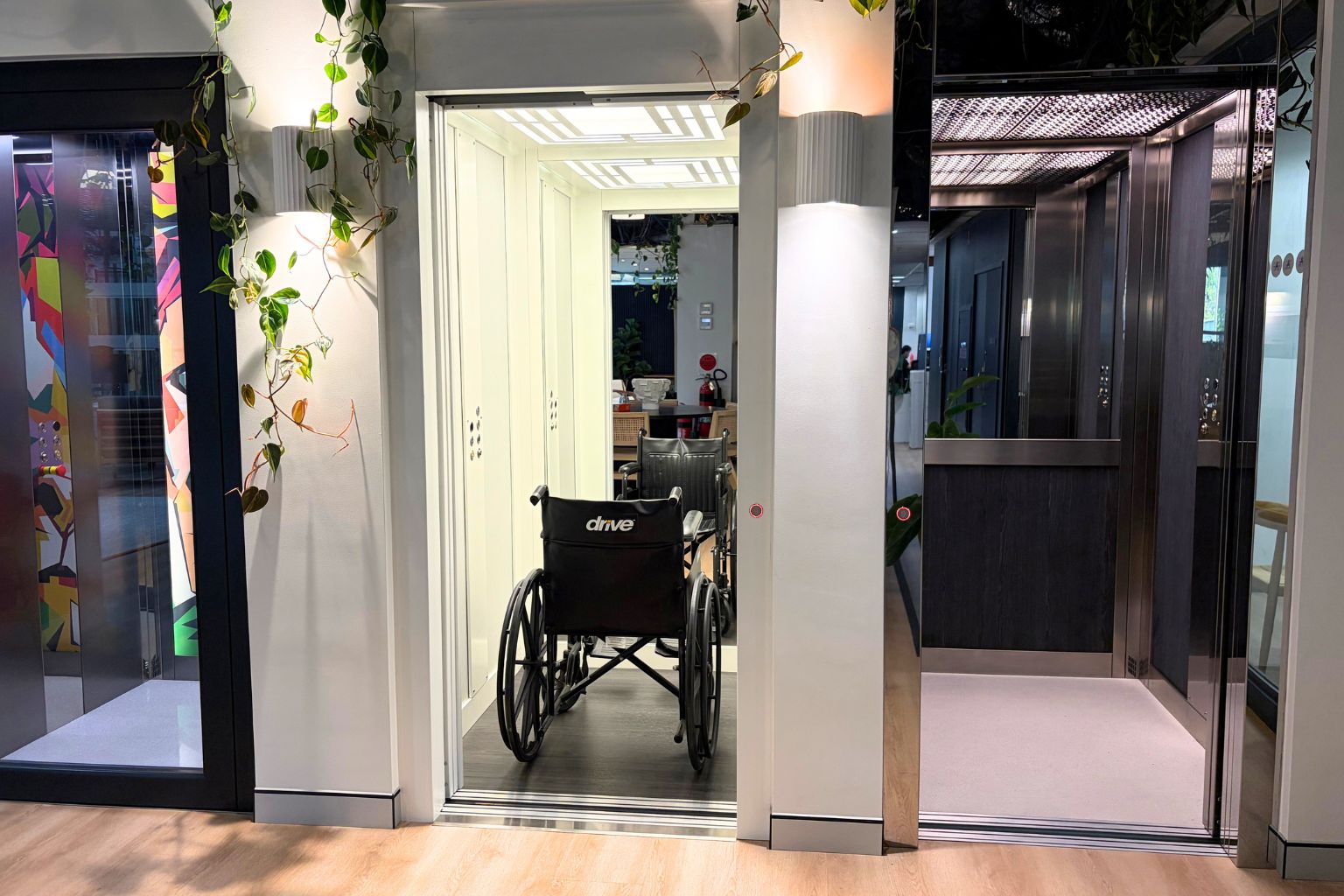
A home lift is not GST-free. The ATO audited the industry in 2013 and Lift Shop was compliant. Read the full ATO review here.
This is general information, not tax advice. If in doubt, ask your taxation advisor, or talk it through with a Lift Shop consultant on 1800 440 714
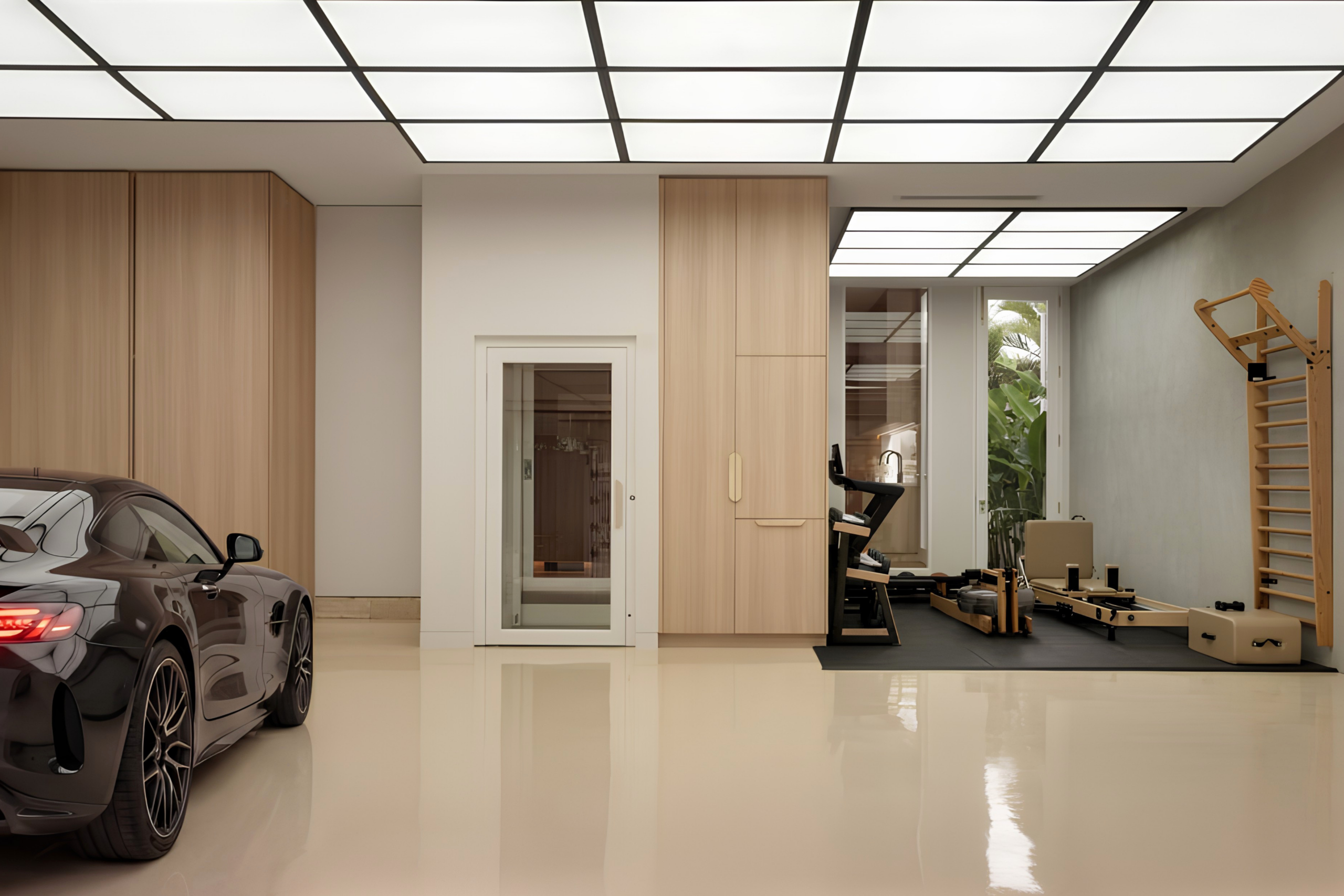
A home lift is not GST-free. Claim the exemption wrongly and you could be liable for significant penalties.
This area has been audited industry-wide before and is likely to be audited again. Beware suppliers who suggest otherwise.
Part 16 of AS 1735 is now described as withdrawn in Australia.
The ATO letter of 17 June 2013 sets out the position. Only a lift that complies with AS 1735.16, installed in a situation within the scope of that standard, can be GST-free. Every other home lift carries GST, and the quoted price must include it.
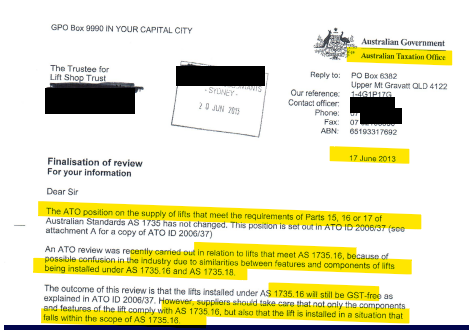
When the entire industry was audited, Lift Shop was found compliant.
We continue to obey the law and never promote tax avoidance.
A false disabled-access claim is not a trick to get a discount. It is also bad karma.
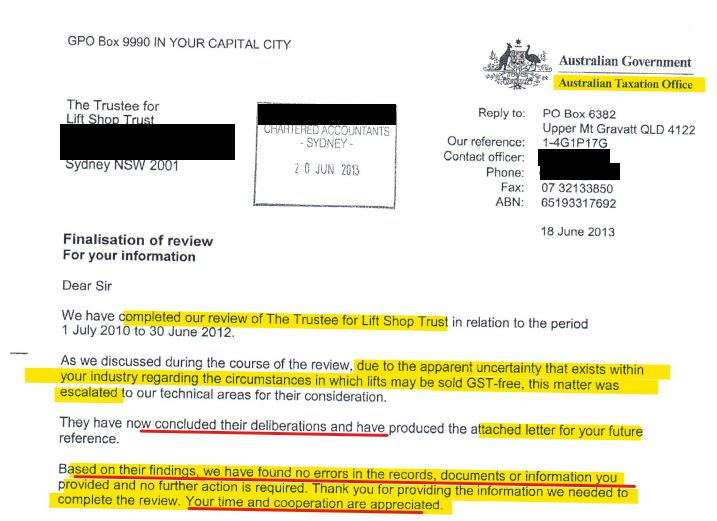
The ATO reviewed Lift Shop in 2012. Its letter of 18 June 2013 found no errors in the records, documents or information provided, and closed the review with no further action.
For a full explanation and understanding, click here. If in doubt, please take this to your taxation advisor.
No. A home lift for general household use attracts GST. A lift is GST-free only when it meets all three tests in subsection 38-45(1) of the GST Act: it is covered by Schedule 3, it is specifically designed for people with an illness or disability, and it is not widely used by people without one.
ATO ID 2006/37 is the Australian Taxation Office decision, dated 7 February 2006, that a slow-speed vertical lift specifically designed for use primarily by people with limited mobility is a GST-free supply. The lift must comply with the relevant part of AS 1735, being Part 15, 16 or 17.
AS 1735.16 covers restricted-use lifts for persons with limited mobility, used infrequently and primarily by that person. AS 1735.18 covers automatically controlled passenger lifts for private residences, used by the whole household. The ATO confirmed in 2013 that only a lift installed within the scope of AS 1735.16 can be GST-free.
No. The ATO's Example 3 describes a builder installing a lift for convenience in a four-level luxury home to be sold on completion. That supply is not GST-free, because the lift will be used frequently by people without an illness or disability.
The GST has to be paid, and penalties and interest can apply. The ATO reviewed the lift industry in 2013 because lifts were being supplied outside the scope of AS 1735.16 and mistakenly treated as GST-free. The area is likely to be audited again.
Only where the law allows it. Lift Shop supplies a lift GST-free when it complies with AS 1735.16, it is installed in a home for a person with limited mobility, and the client provides a signed statement confirming the need. Every other home lift is quoted and invoiced with GST.
A signed declaration from the client, made in the contract, confirming the lift is for a person with limited mobility in their primary residence and will be used primarily by them, as set out in the ATO's Example 1. The declaration is the client's responsibility. Lift Shop keeps it on file for five years.
Yes. The ATO reviewed The Trustee for Lift Shop Trust for the period 1 July 2010 to 30 June 2012 and found no errors in the records, documents or information provided. The finalisation letters are dated 17 and 18 June 2013 and are available on this page.
Prices move. Your quote will not. Lock it in today and it holds for 12 months.
Or talk it through with a Lift Shop consultant on 1800 440 714