Preparing the doorway correctly is essential for a safe, precise, and seamless lift installation. Every opening must match the signed Lift Shop Final Drawing and be built to withstand structural loads, align with finished floors, and suit the final wall finishes. This guide outlines everything your builder needs to prepare before our installers arrive.
For more detailed planning information, download our Builder's Guide.
Download our Builder's Guide →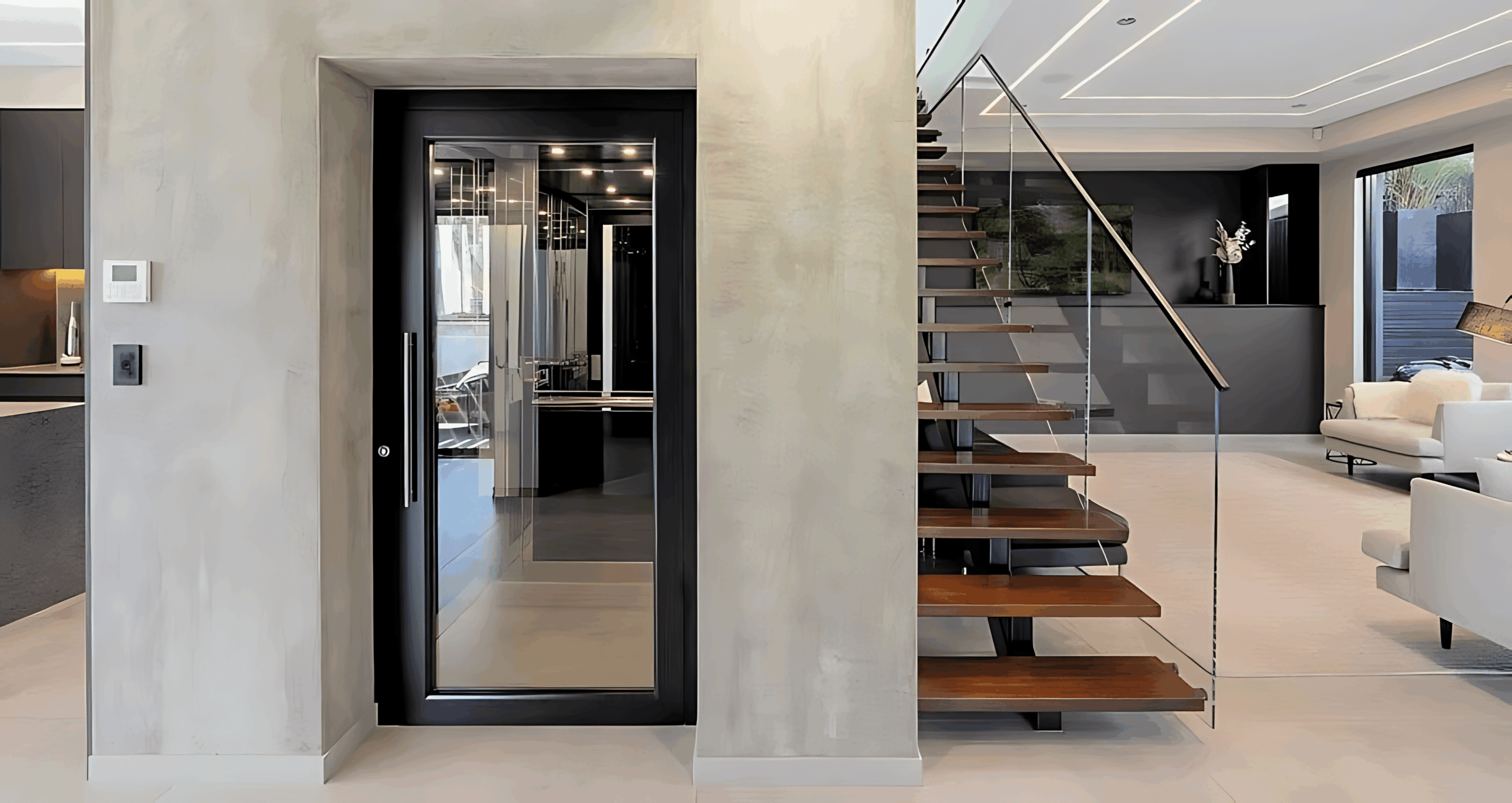
Each door opening must be built exactly to the approved Lift Shop drawing. All openings must be square, level, and plumb from floor to ceiling.

Lift doors are anchored directly to the building structure. Solid supports must be in place before installation.
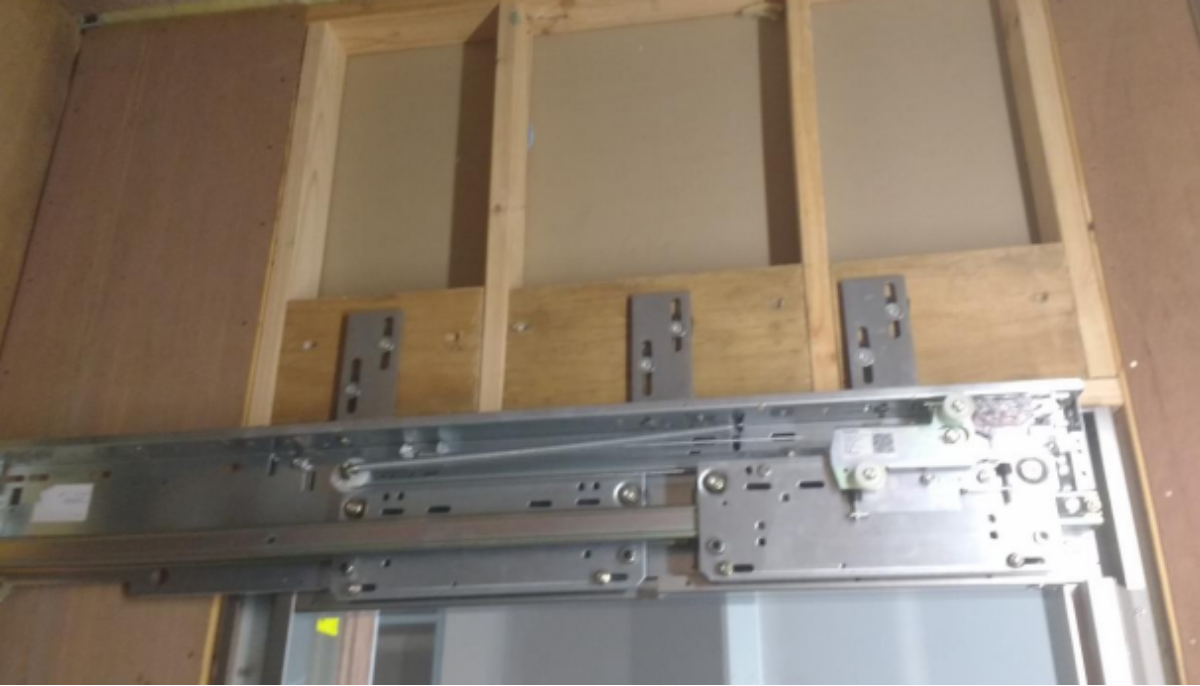
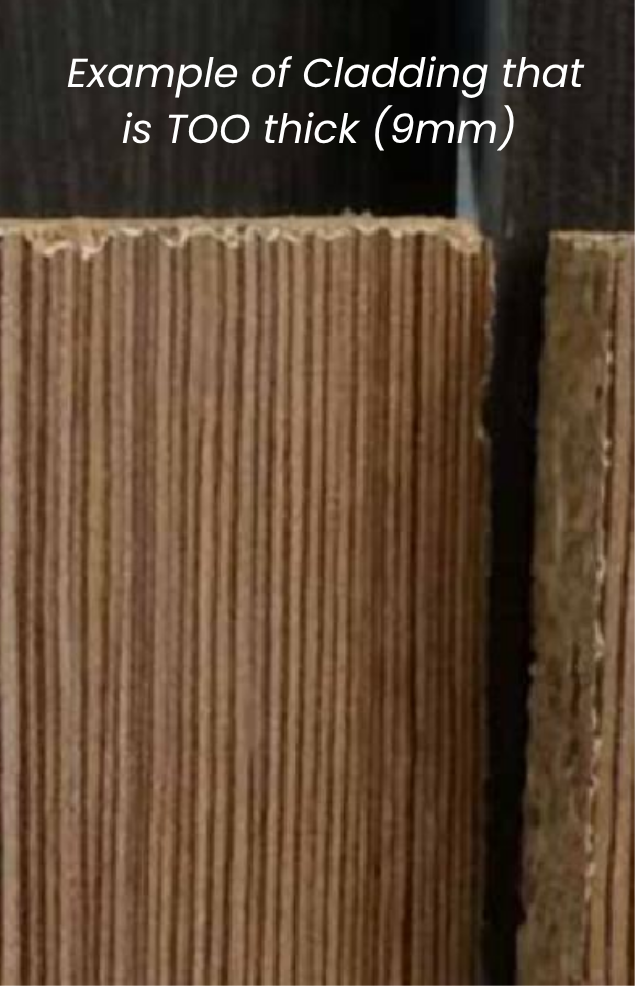
Builders can finish doors to blend seamlessly with the wall or joinery. Follow these limits to ensure smooth operation and long-term reliability.
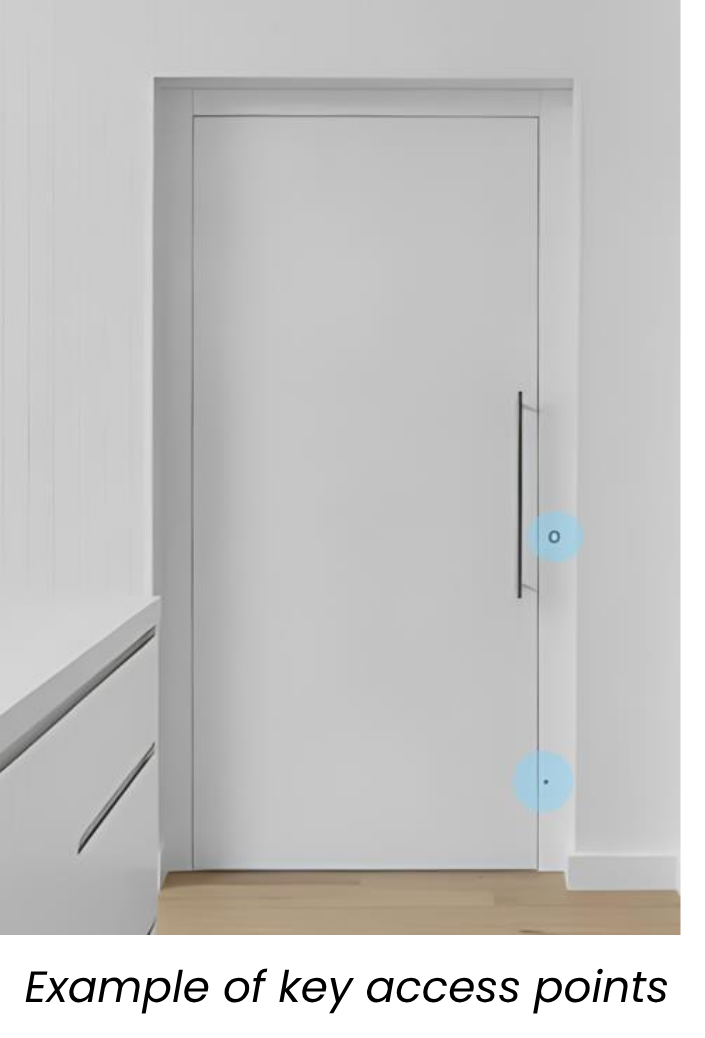
Each landing includes a call button plate and emergency key access point. Space and access must be left clear for these components.
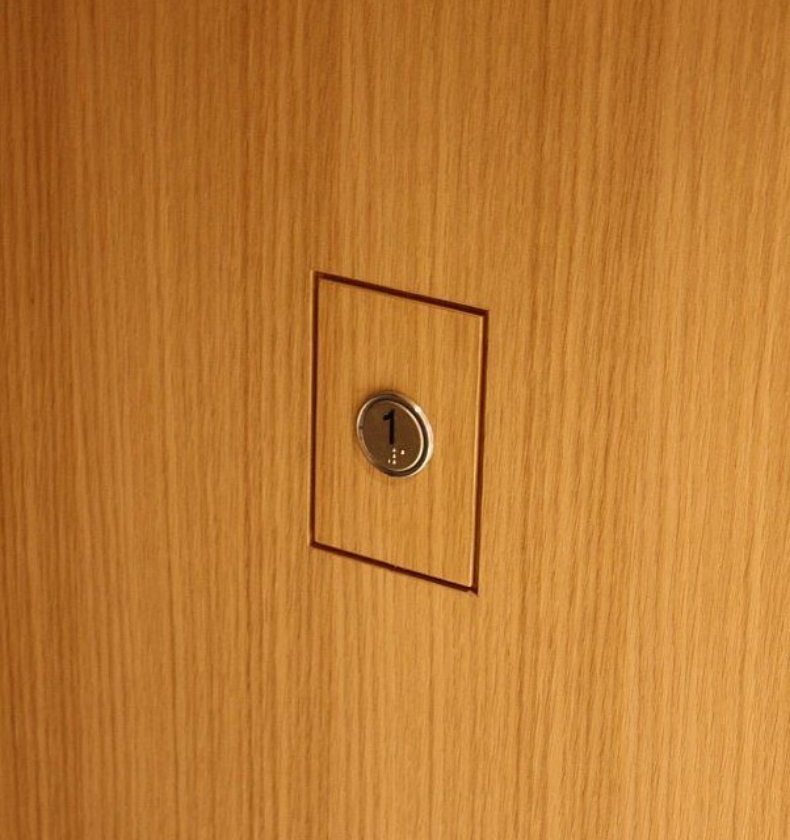
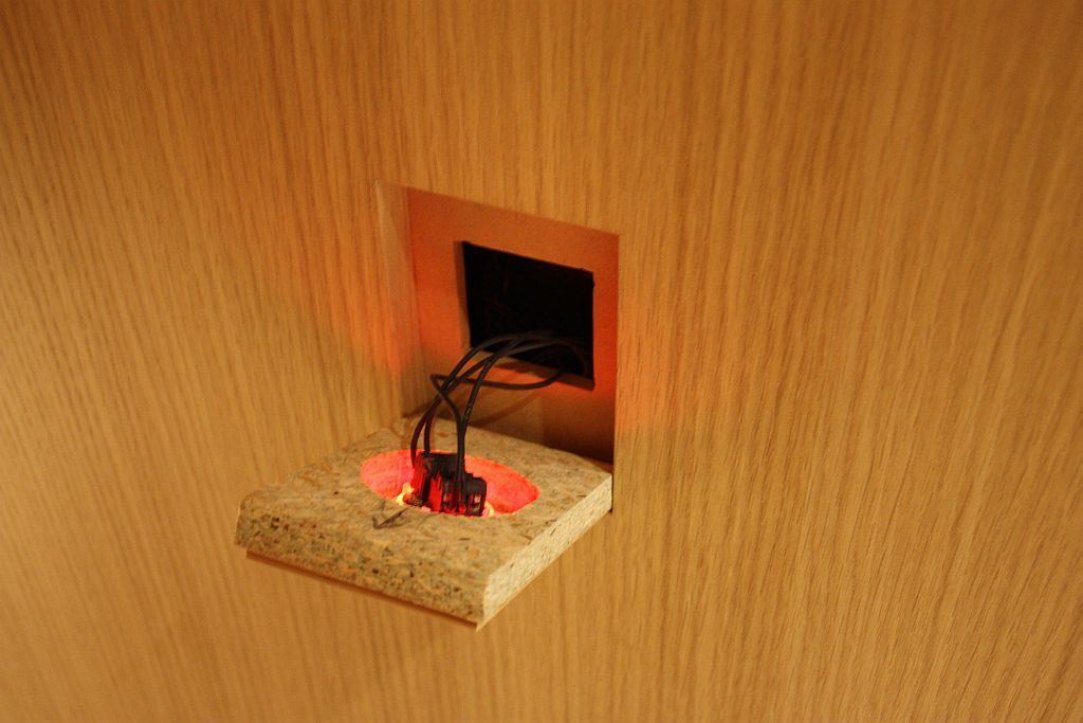
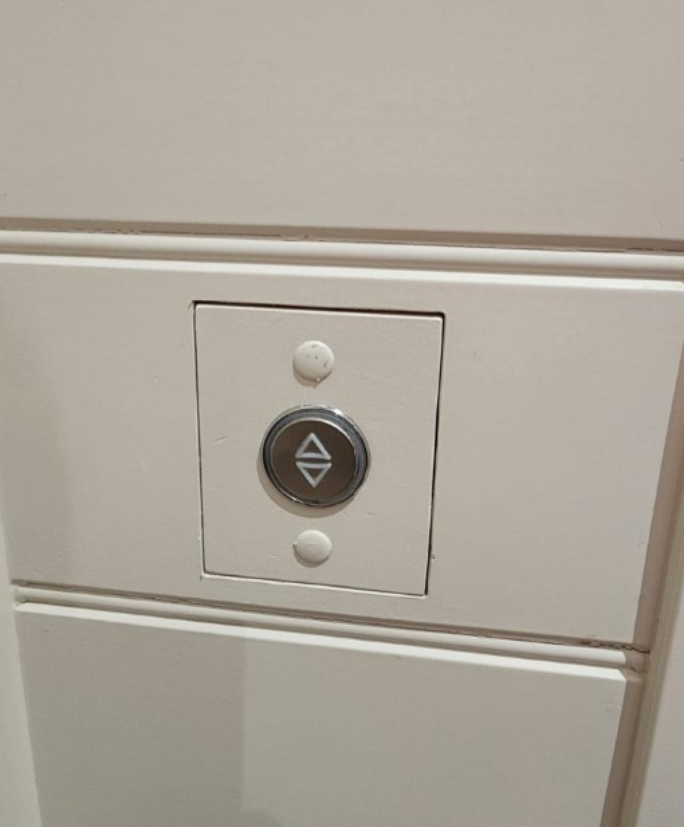
Correct spacing and alignment ensure reliable performance and a clean finish.
| Component | Requirement | Note |
|---|---|---|
| Door swing clearance | Door must open freely without obstruction | Check before final cladding |
| Floor-to-sill transition | No lip or step beyond the tolerance for your lift | Builder to level to FFL |
| Wall alignment | Consistent wall depth and finish thickness | Match across every floor |
| Between-door walls | Line and finish visible shaft surfaces | Visible during lift operation |
| Shaft reveal | No services or recesses | Smooth and flush for sealing |

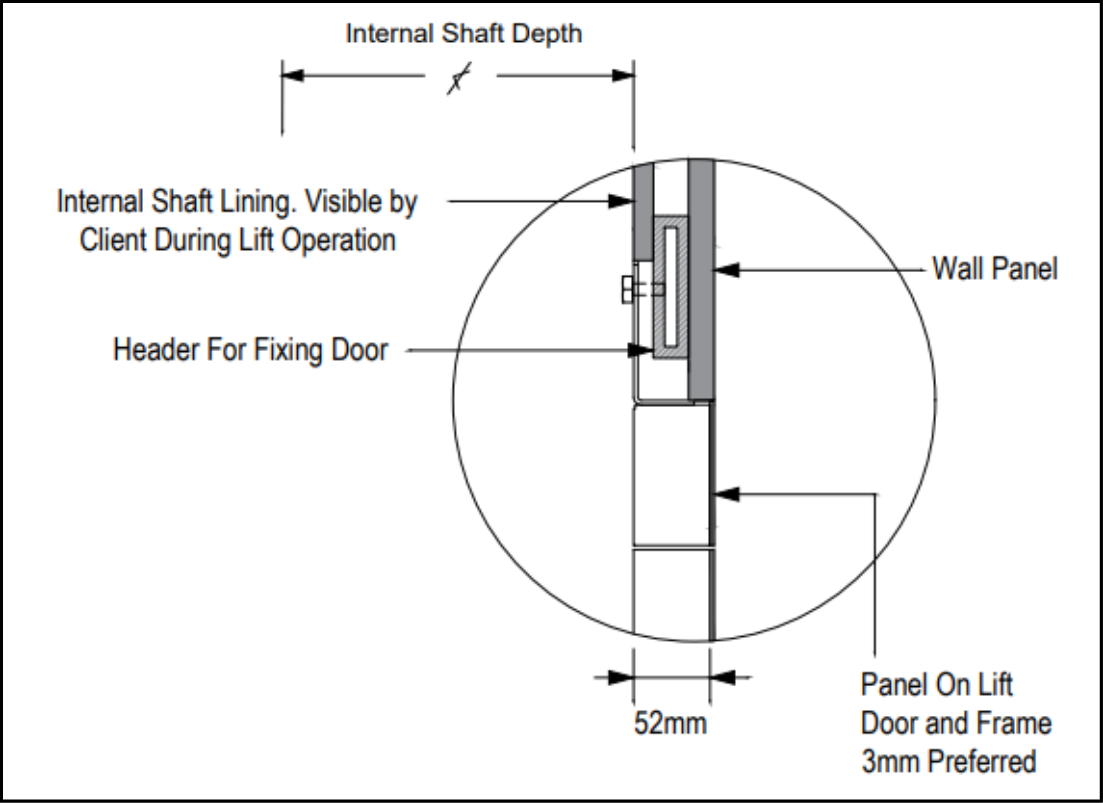

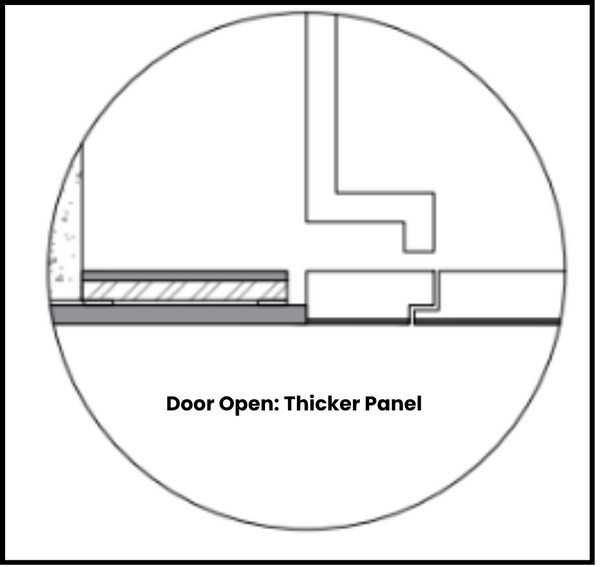
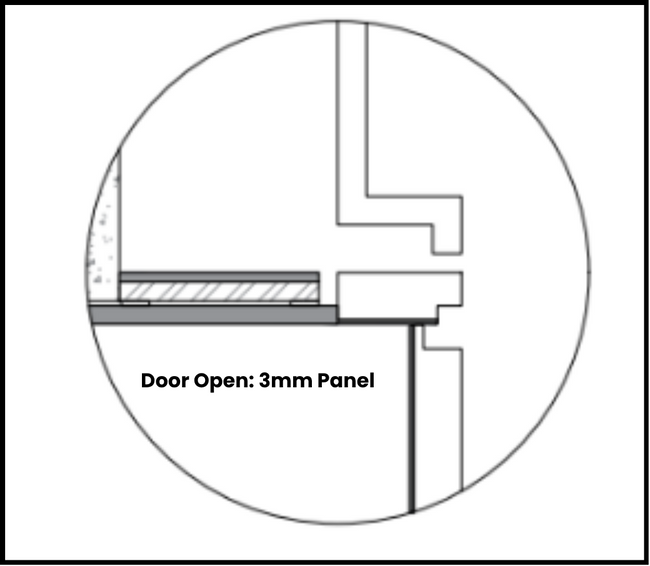
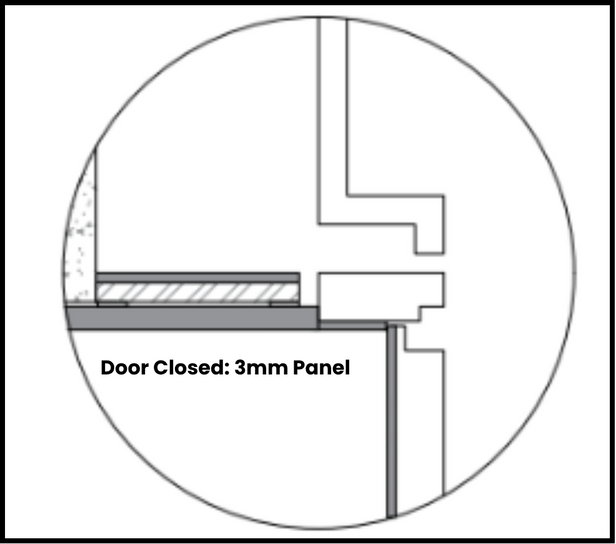
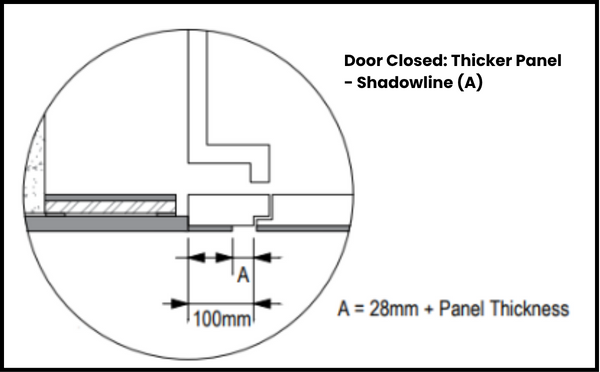
Drag or swipe to see more door details. Tap a drawing to enlarge.
Before Lift Shop installation, confirm all site conditions meet the approved drawings and requirements:
Once installation starts, no further structural or finishing changes can be made without Lift Shop approval.
For a premium finish, consider:
Lift Shop can guide your builder or designer on suitable materials and tolerances before work begins.
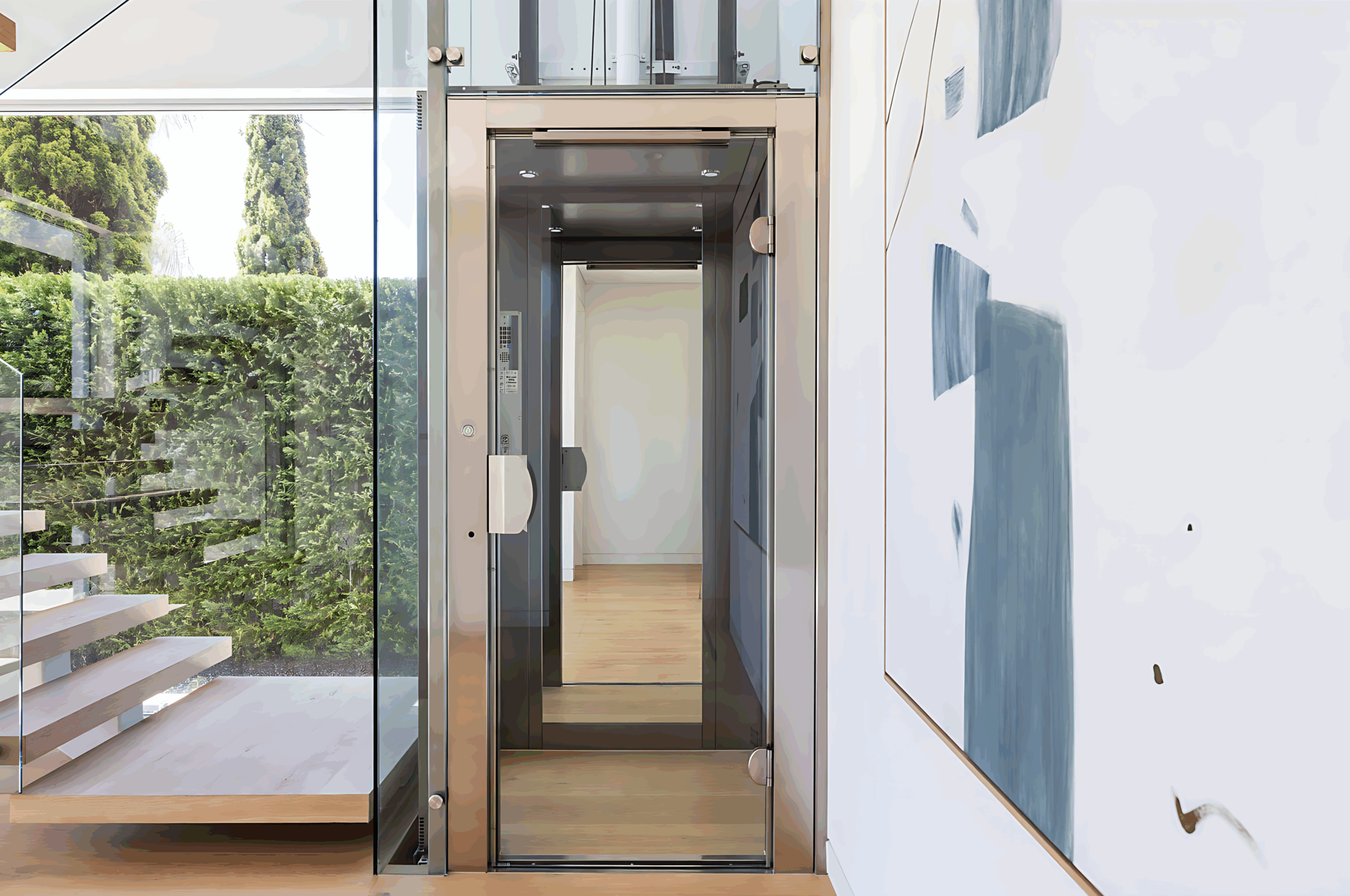
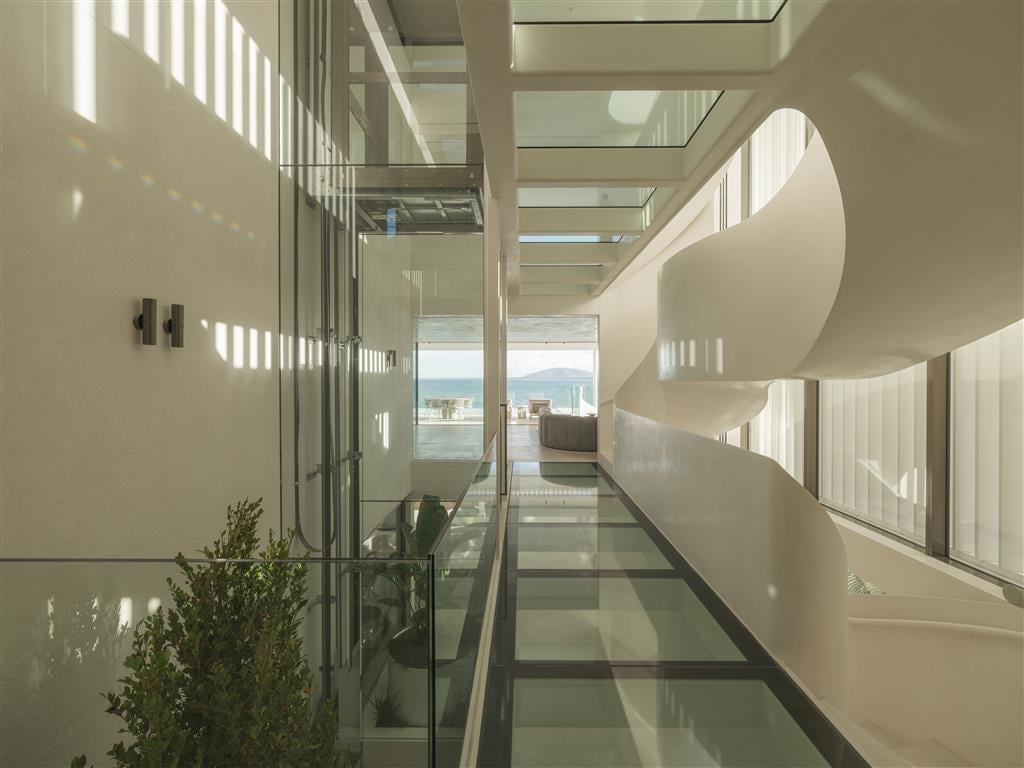
Practical lift planning guidance for builders and project teams, covering shaft requirements, door preparation and key considerations before construction.
A curated gallery below showcases correct door framing, finished openings, custom button plates, and completed installations for builder reference.
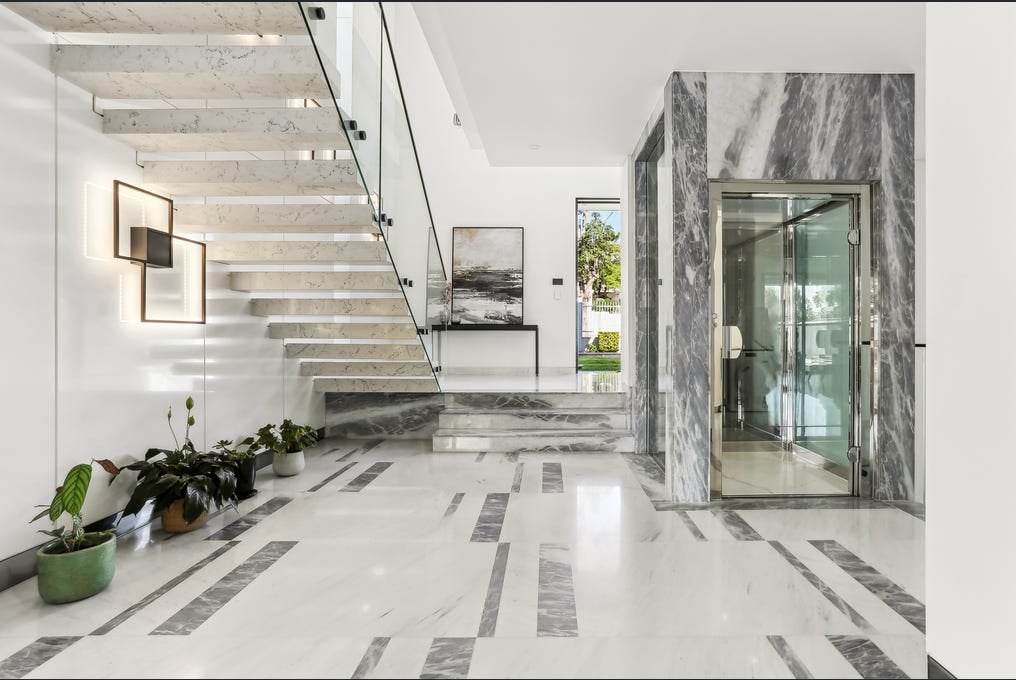
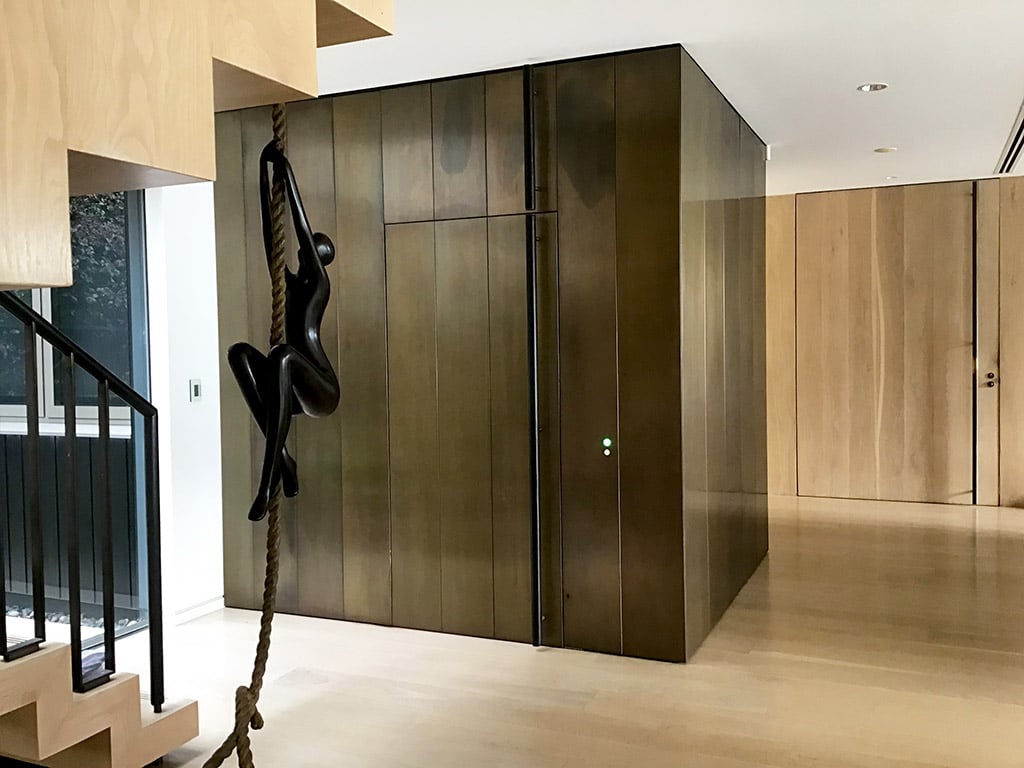
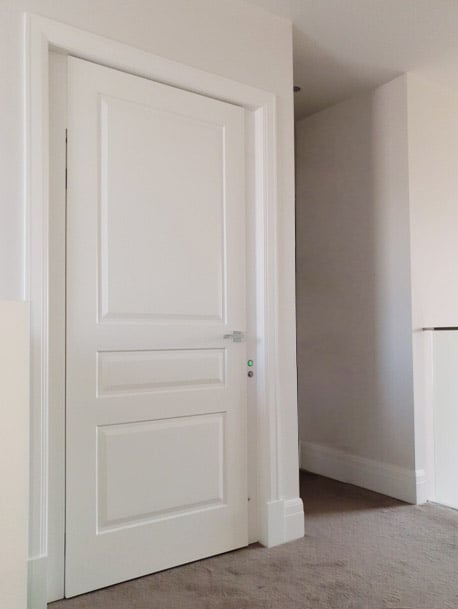
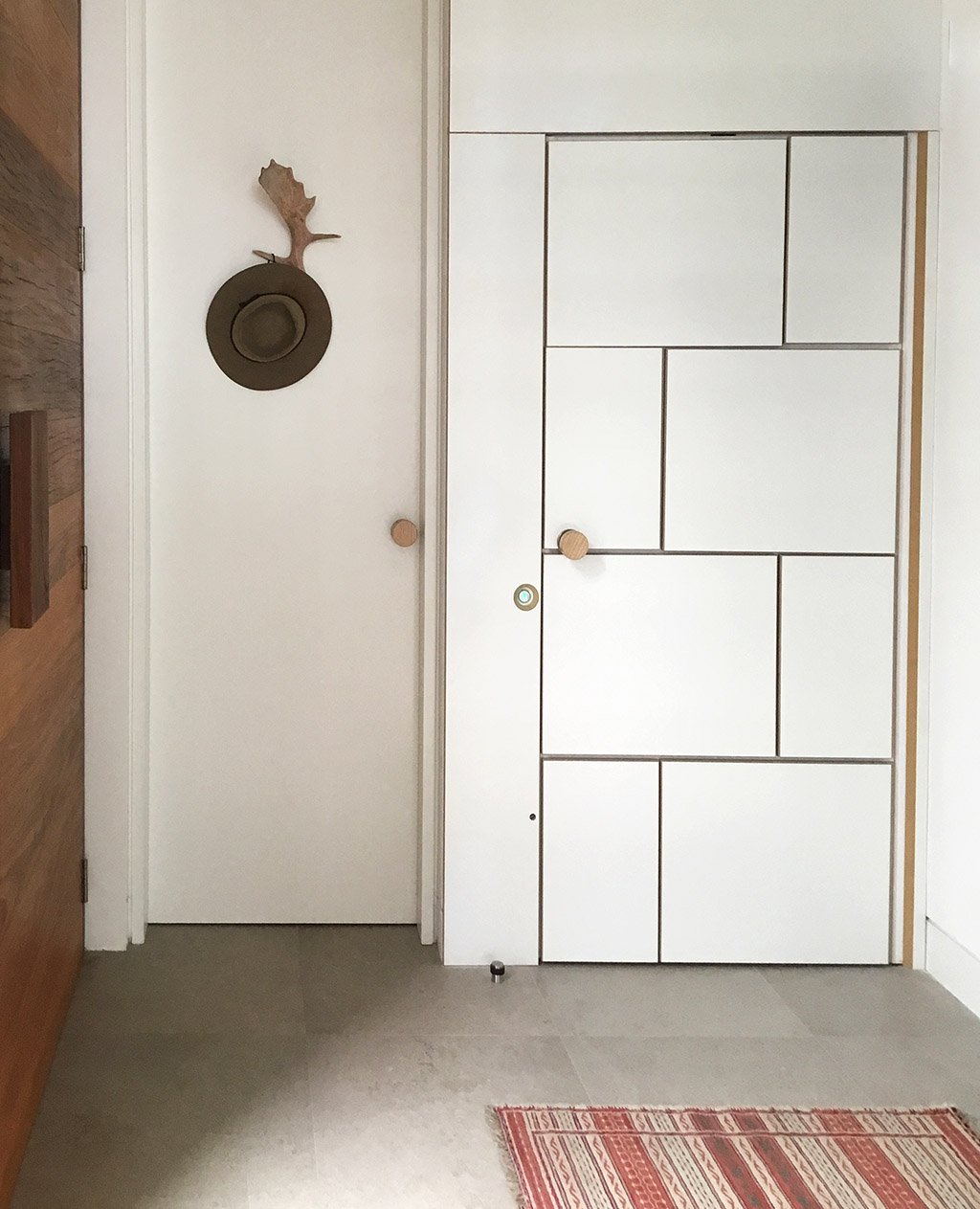
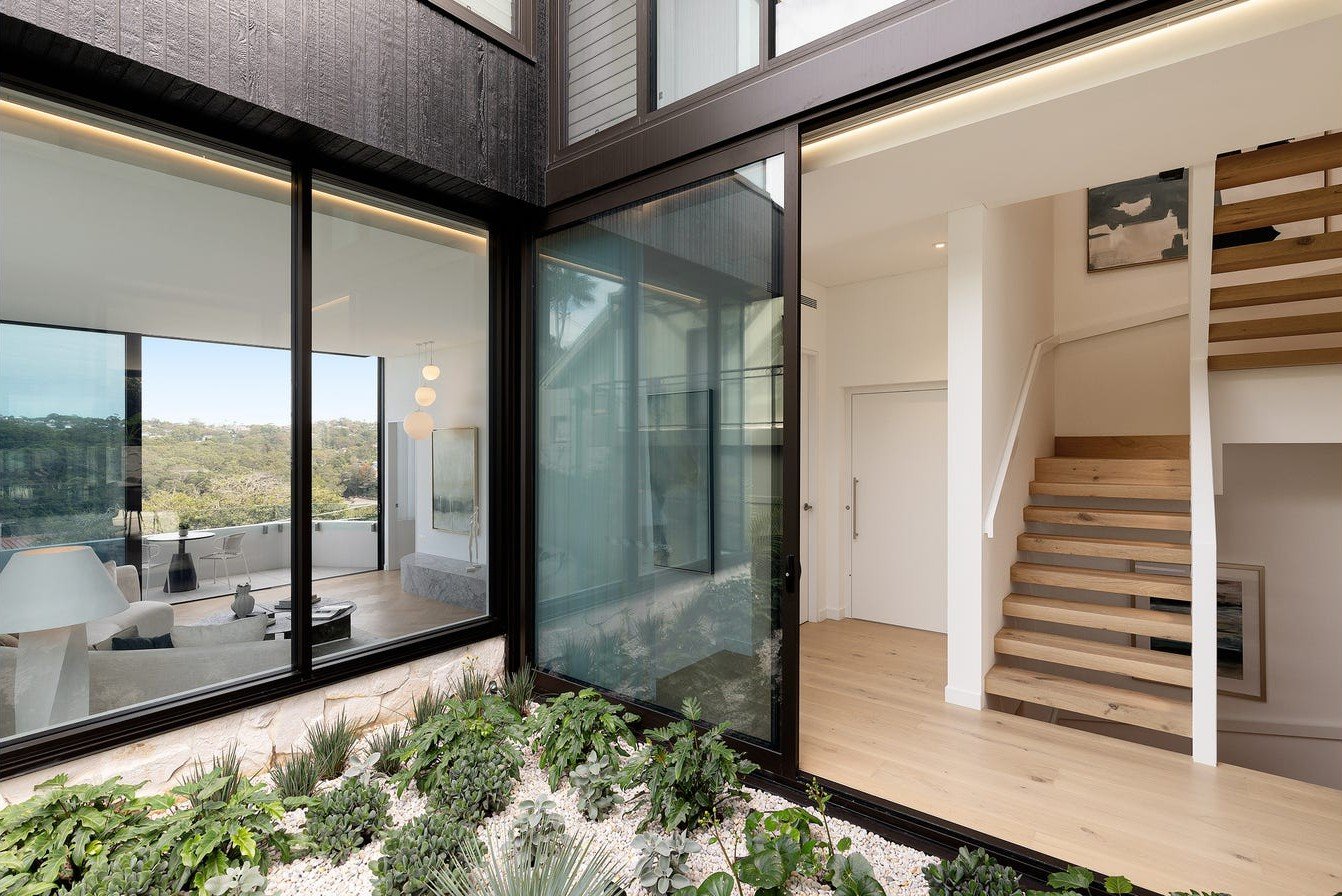
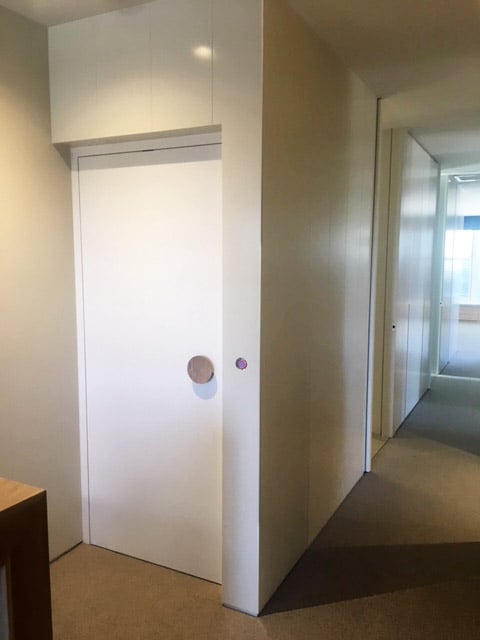
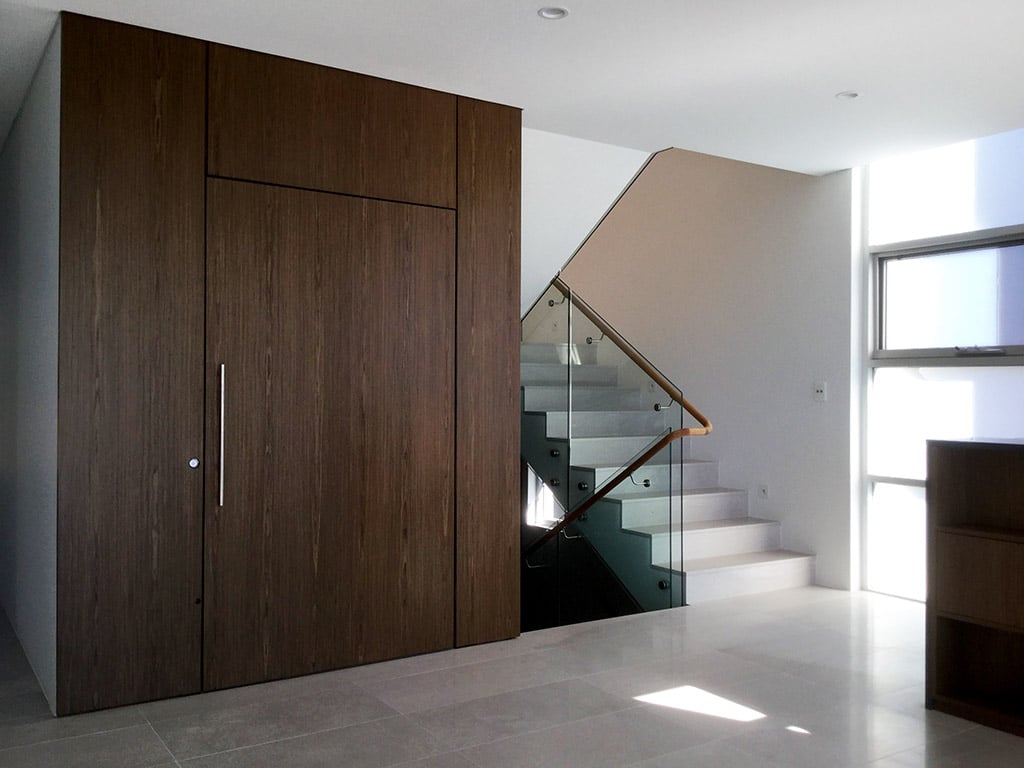
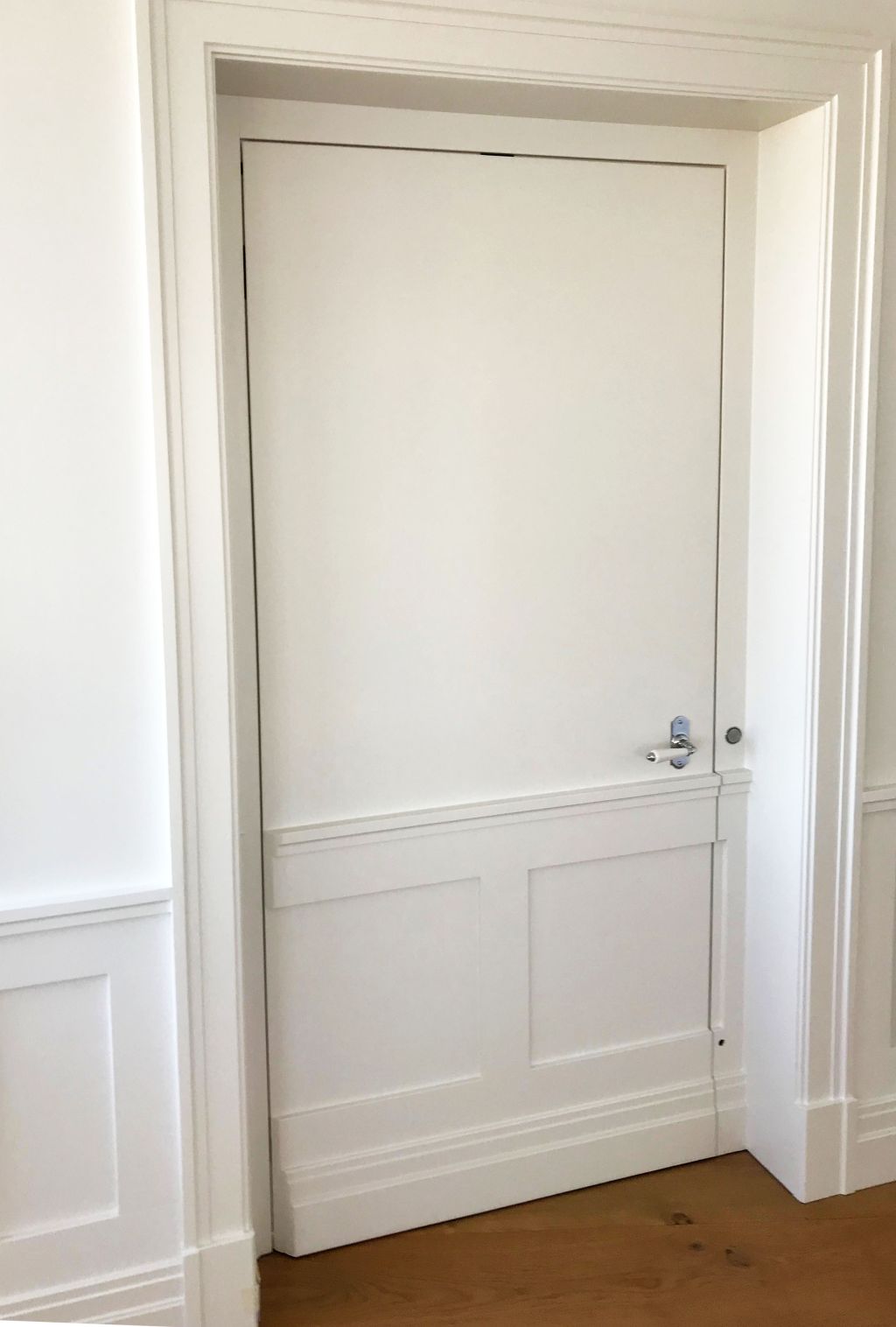
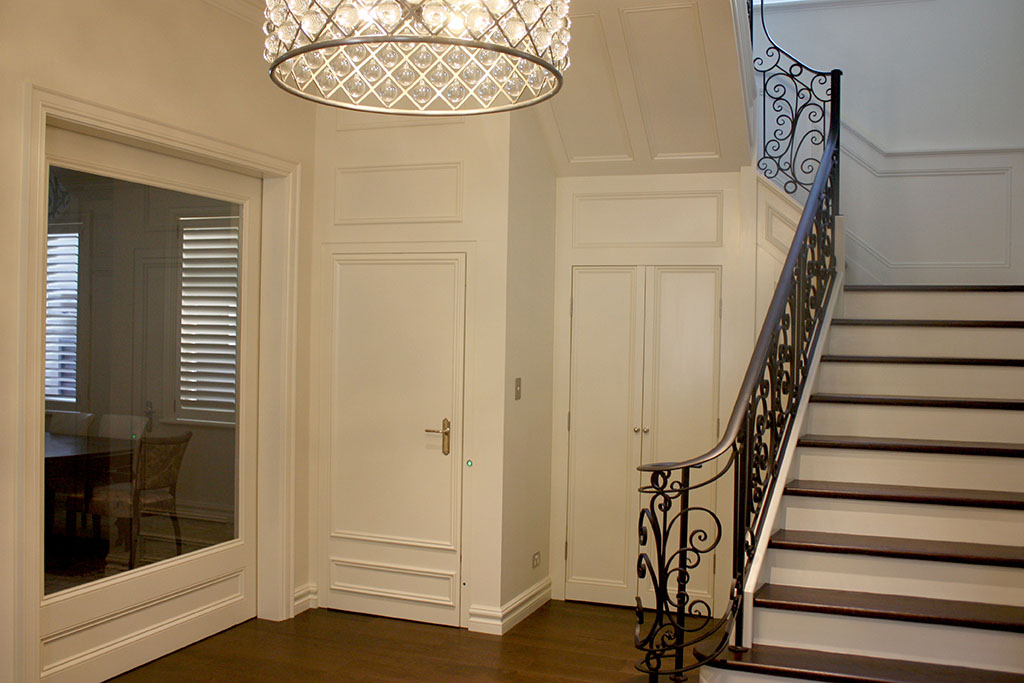
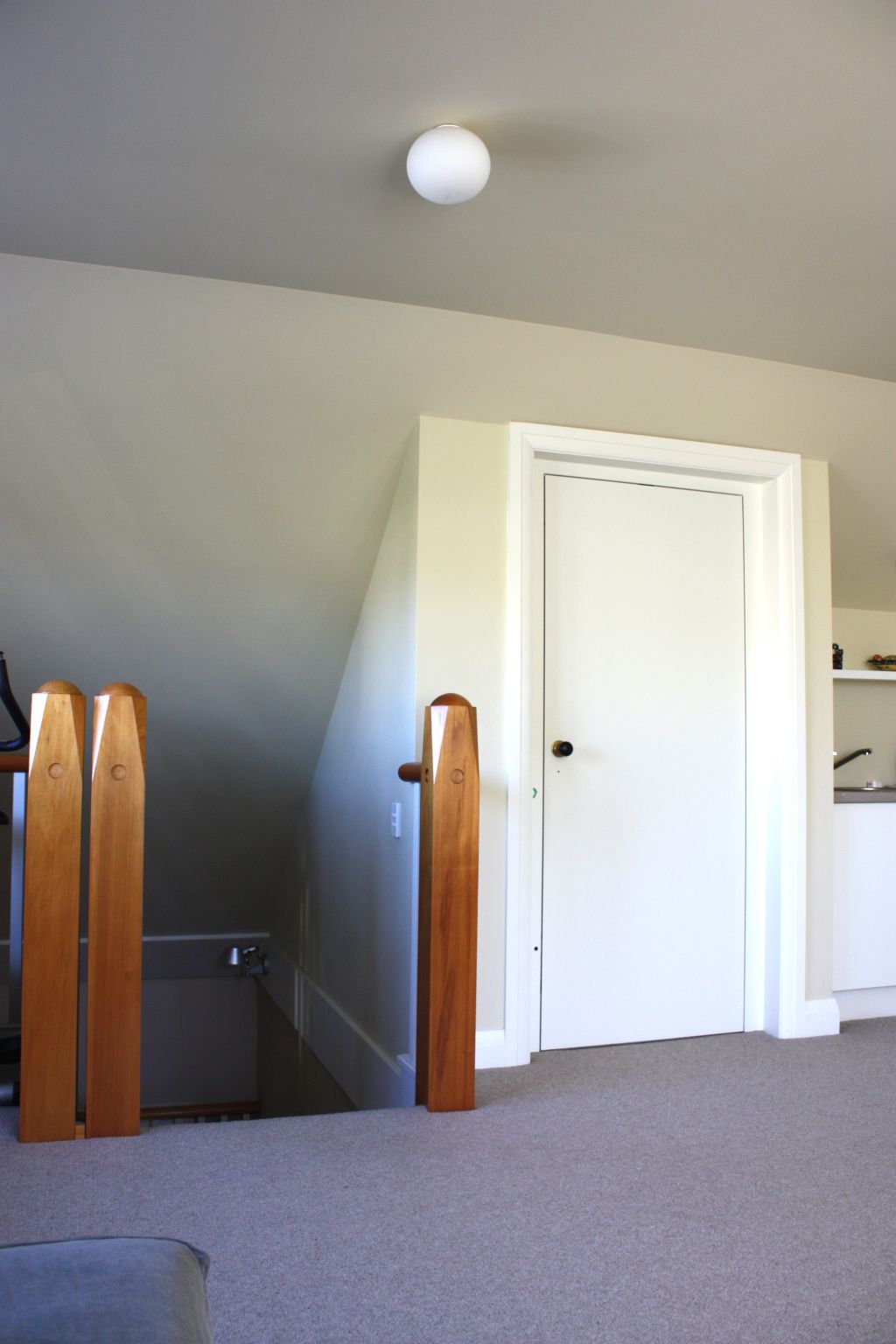
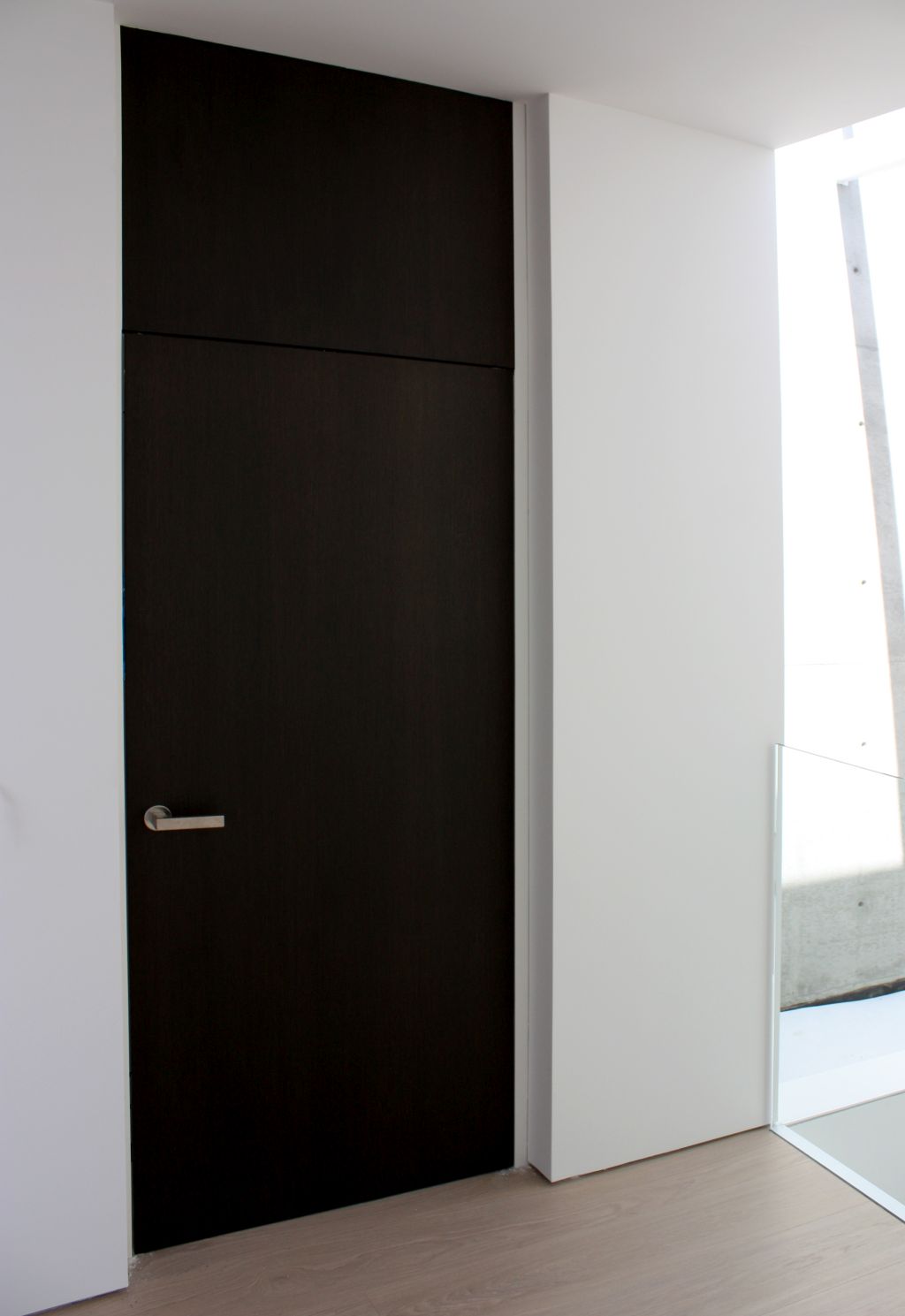
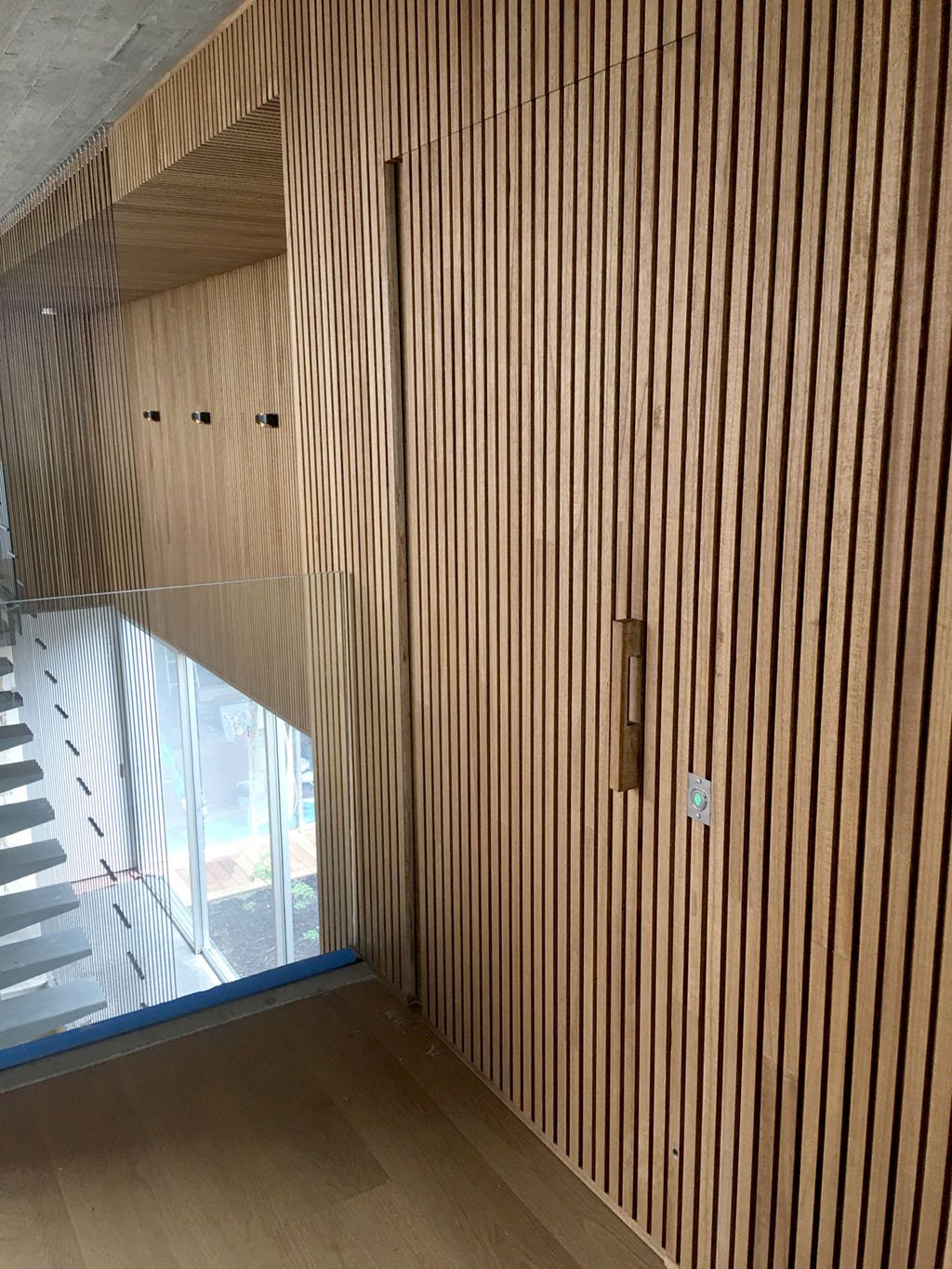
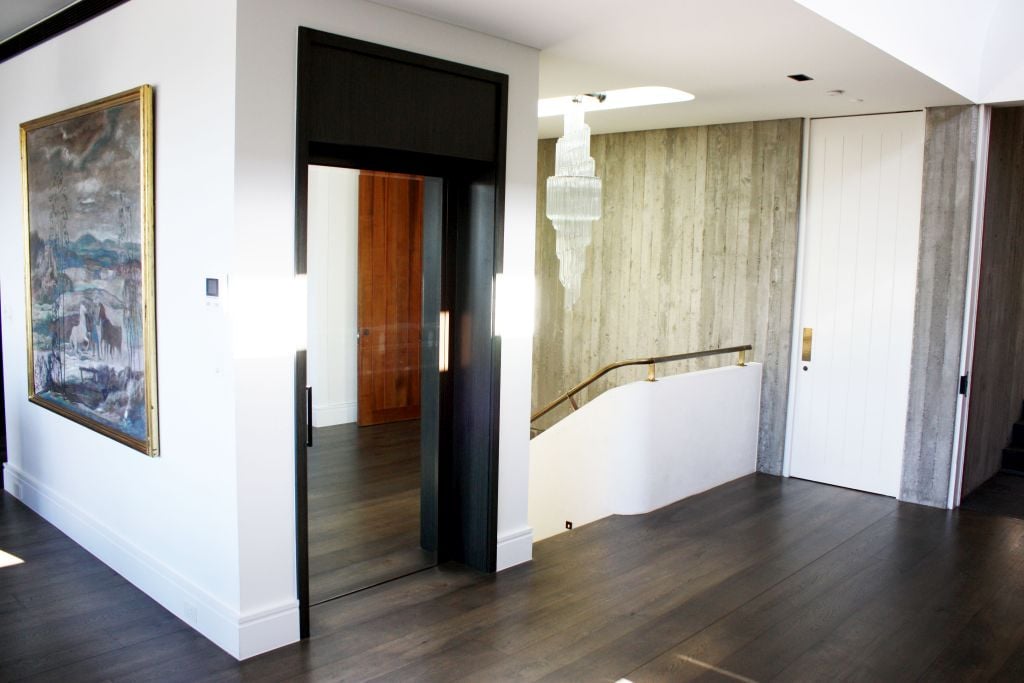
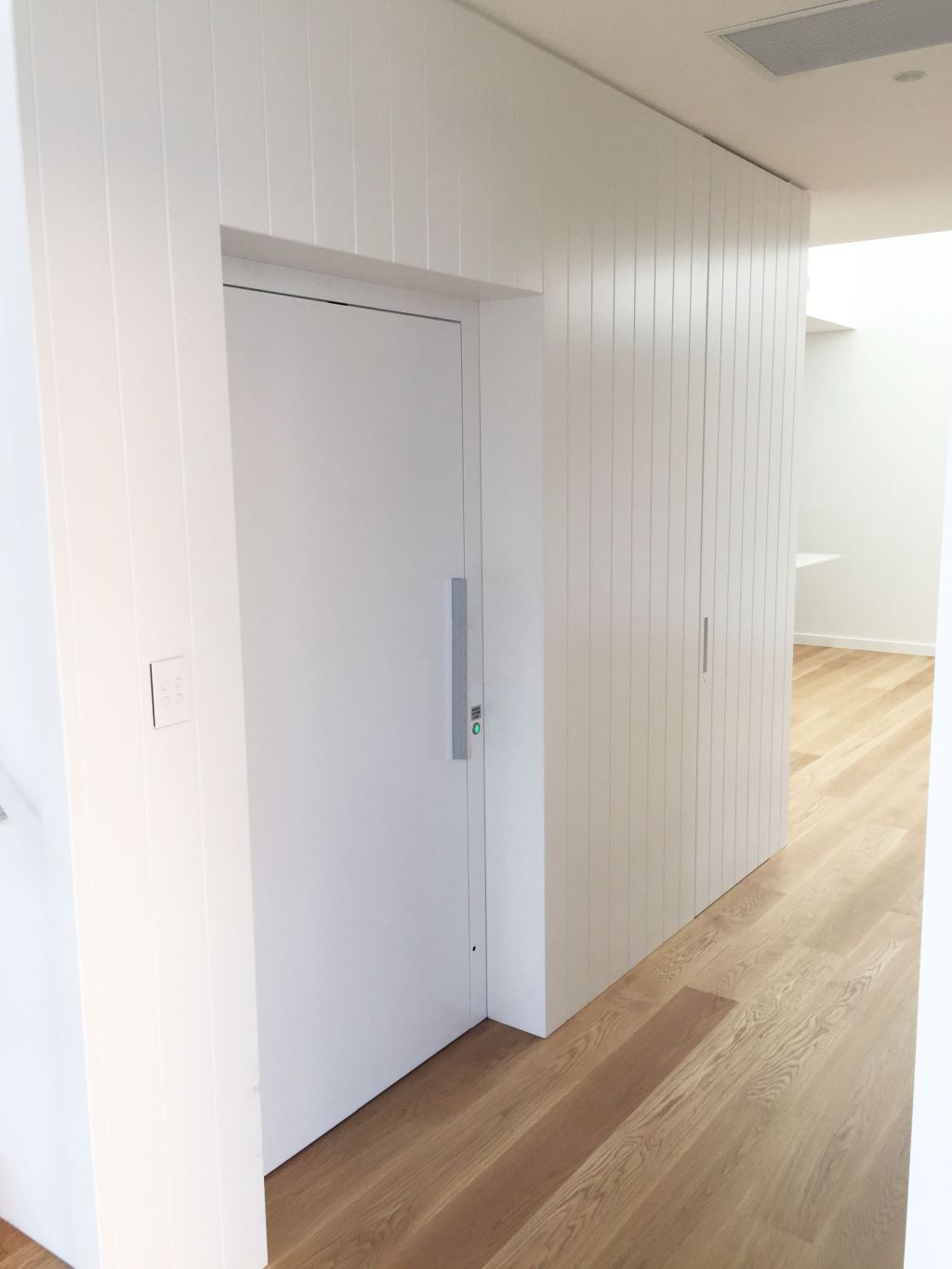
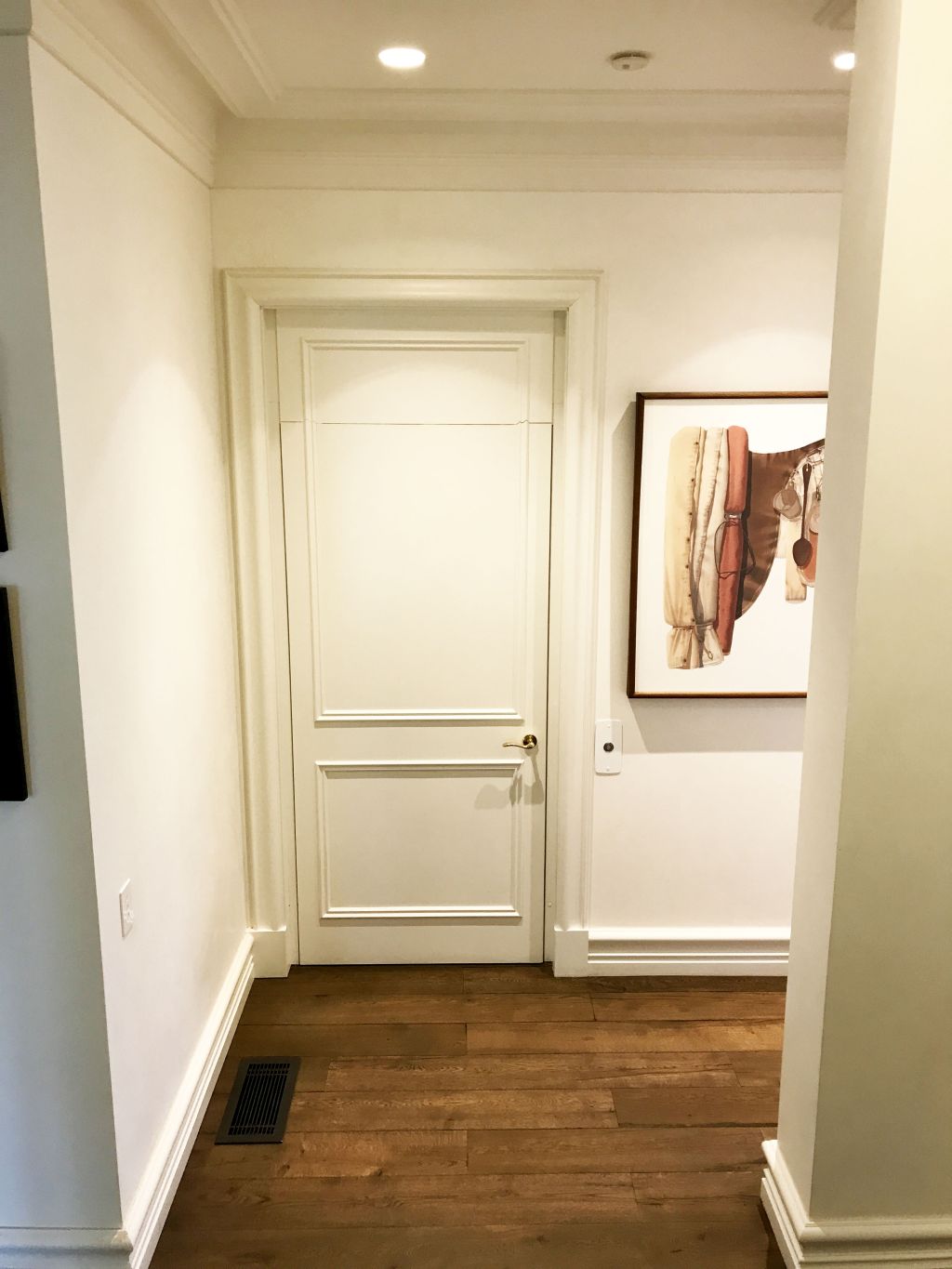
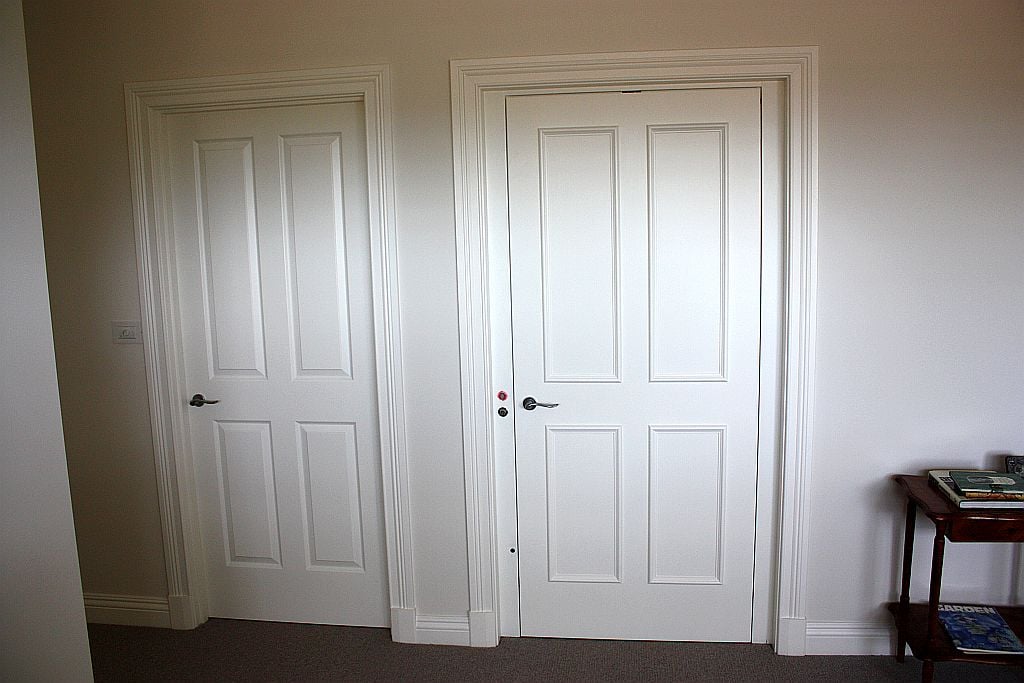
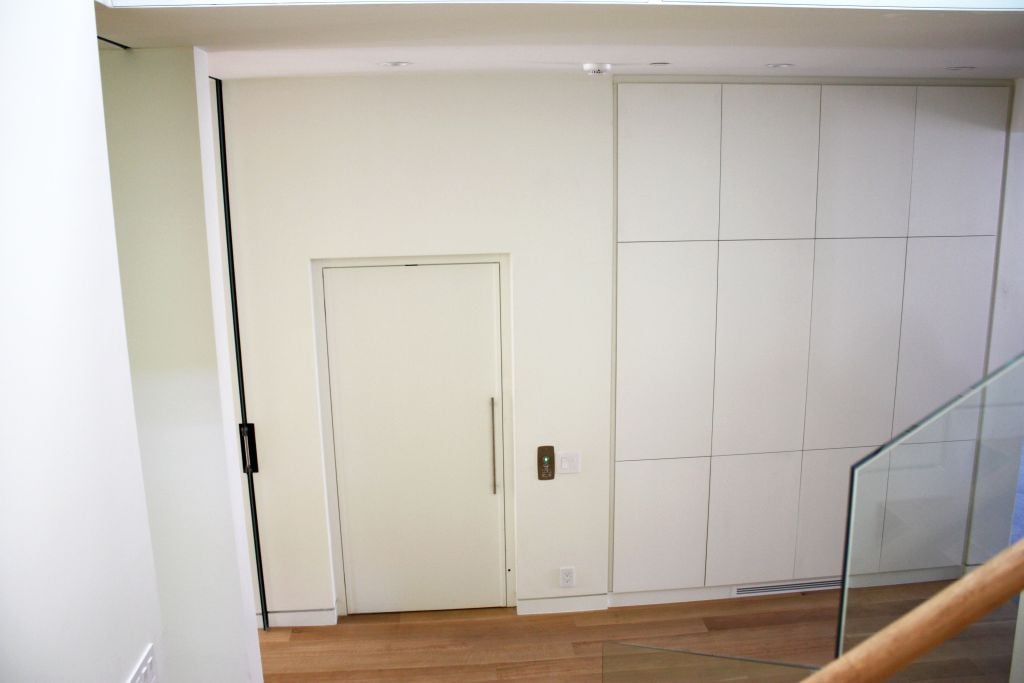
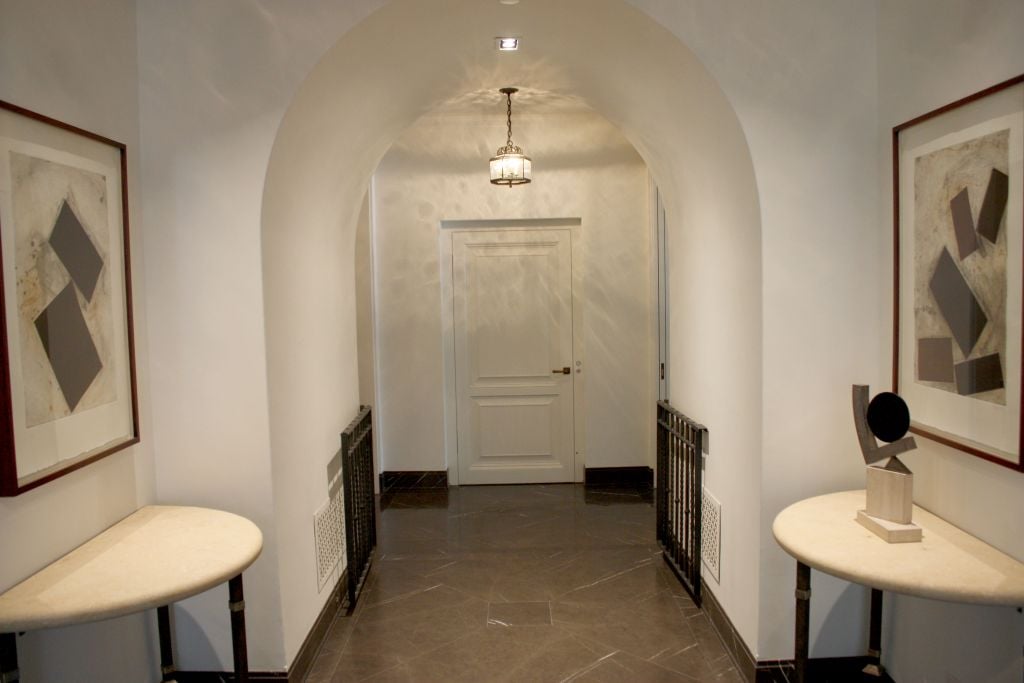
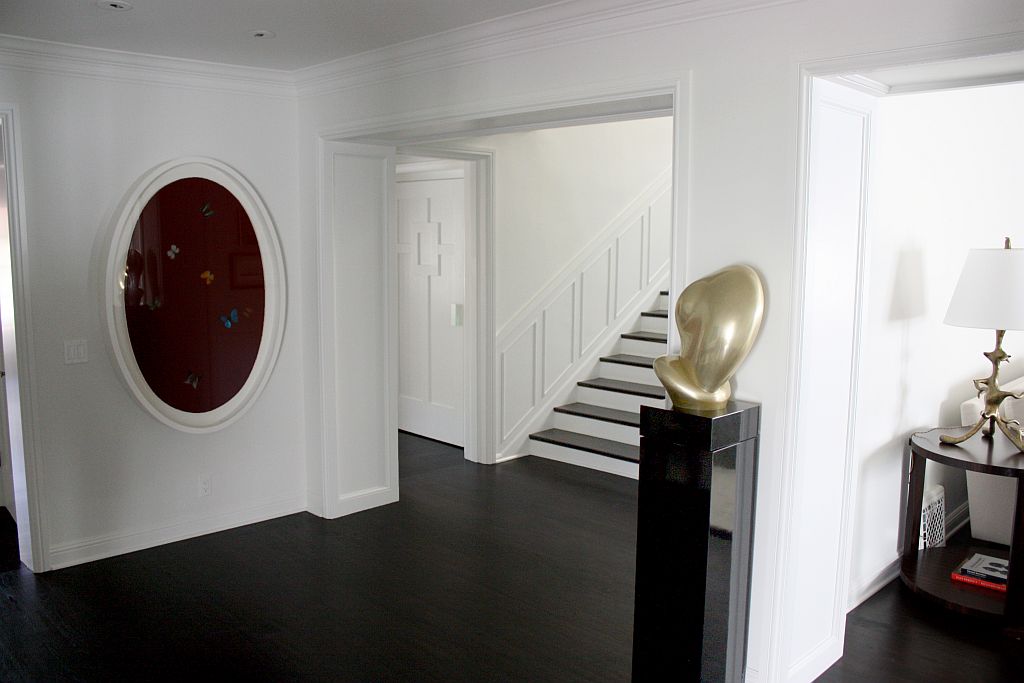
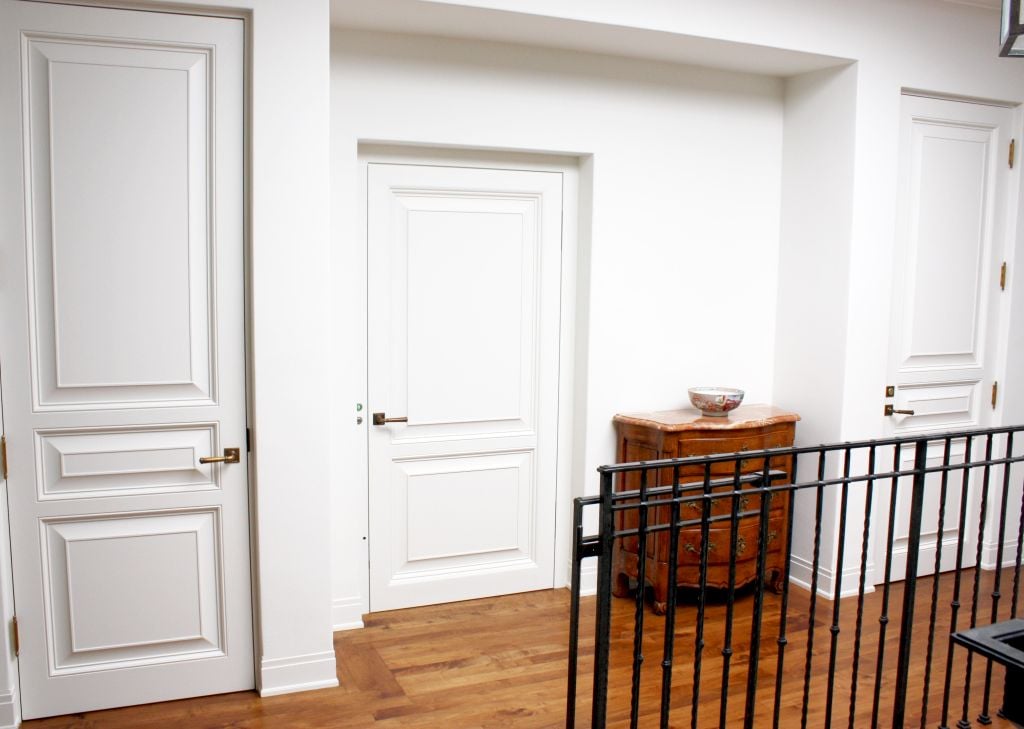
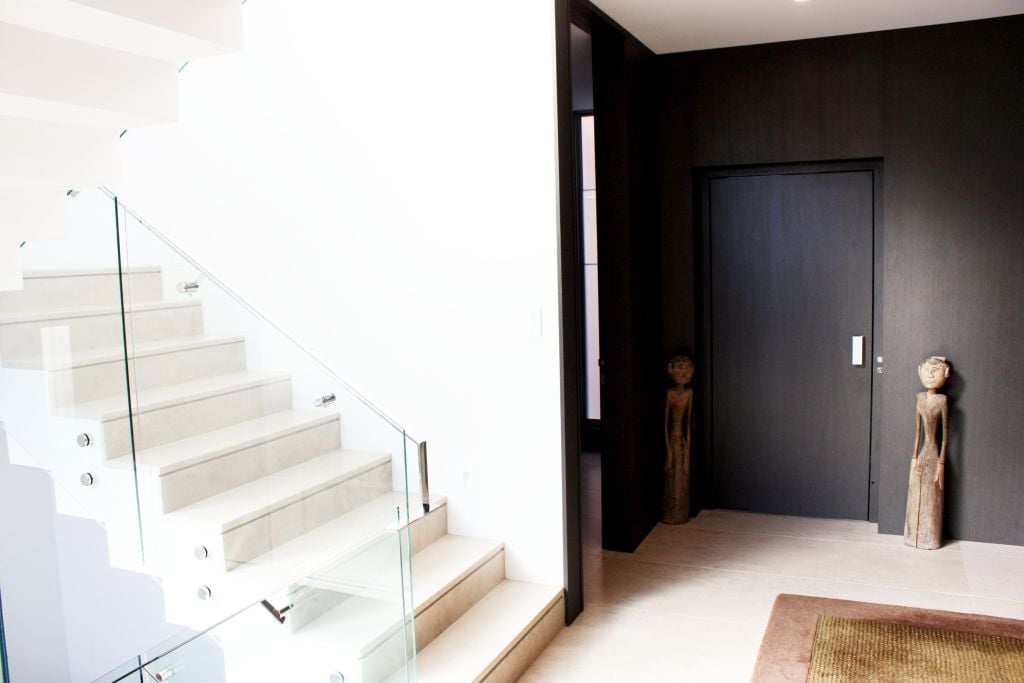
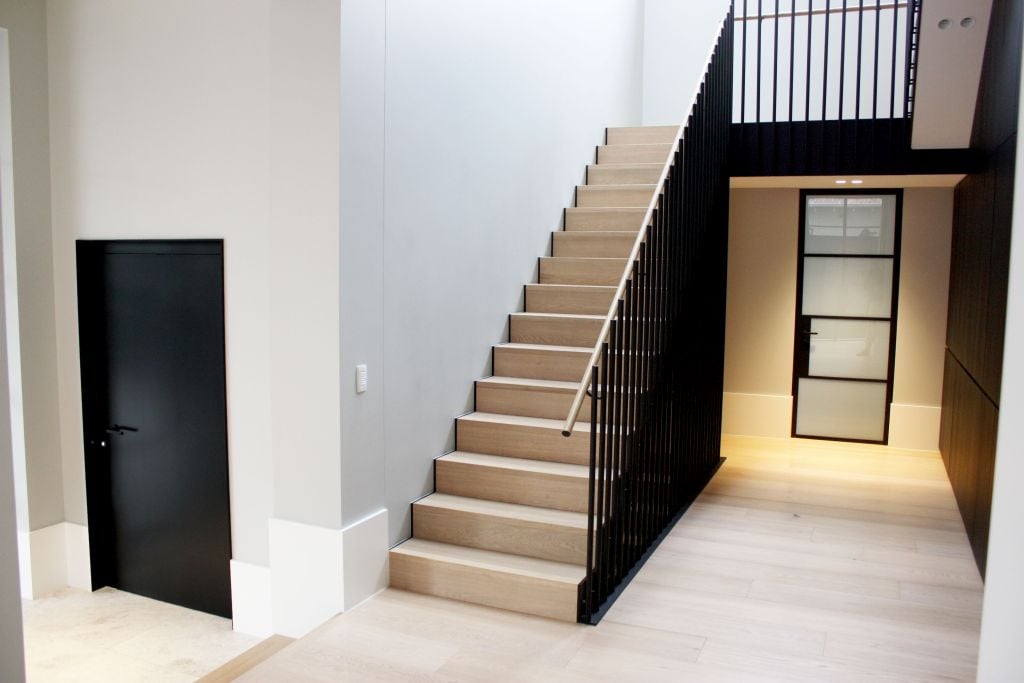
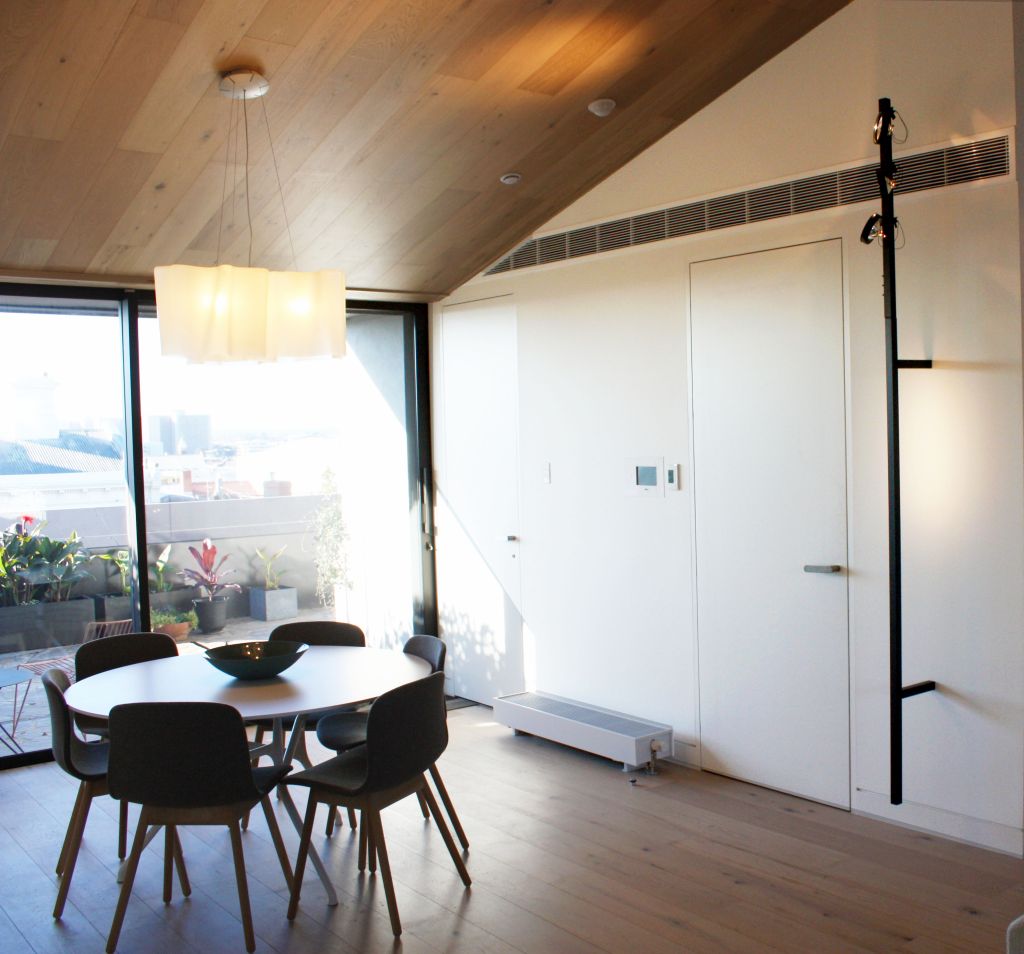
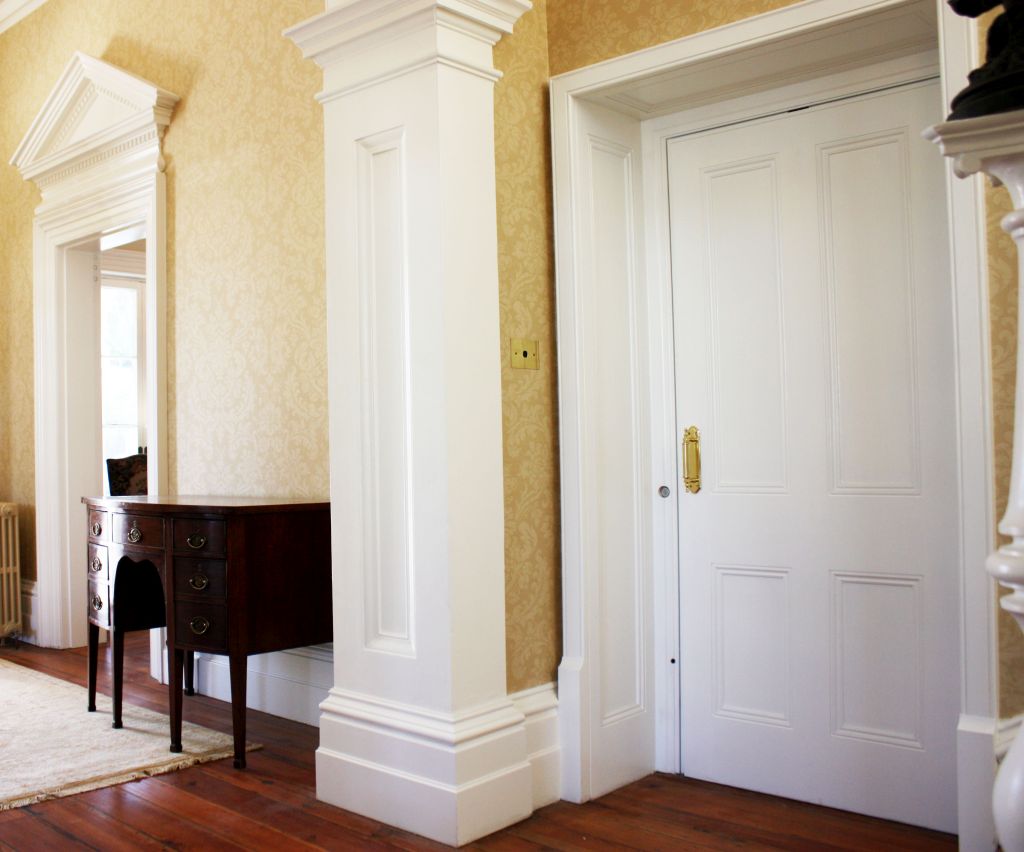
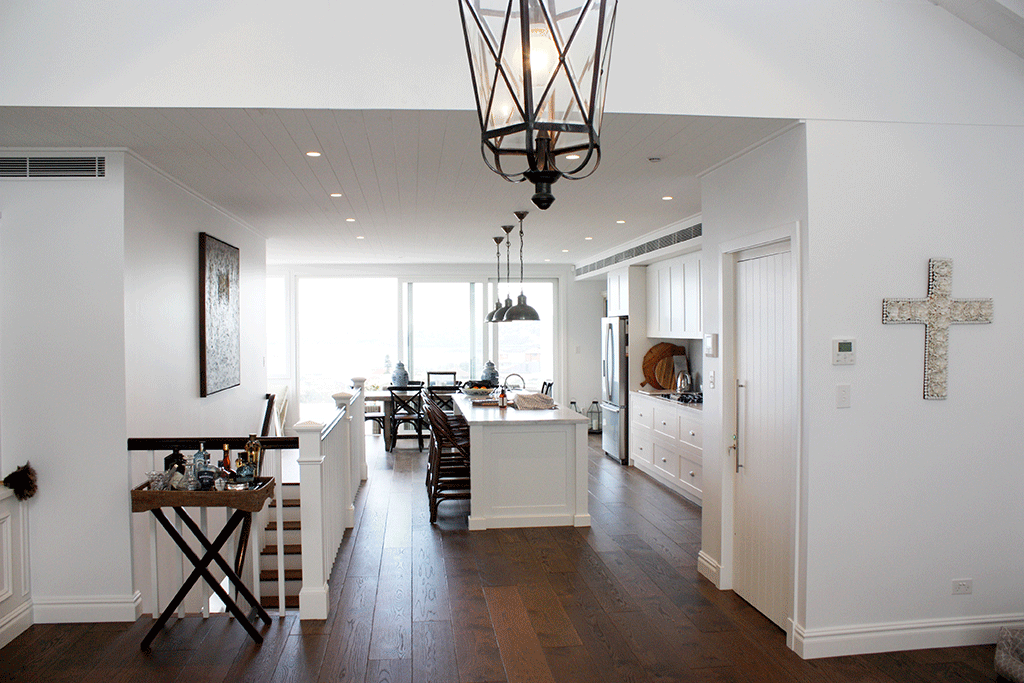
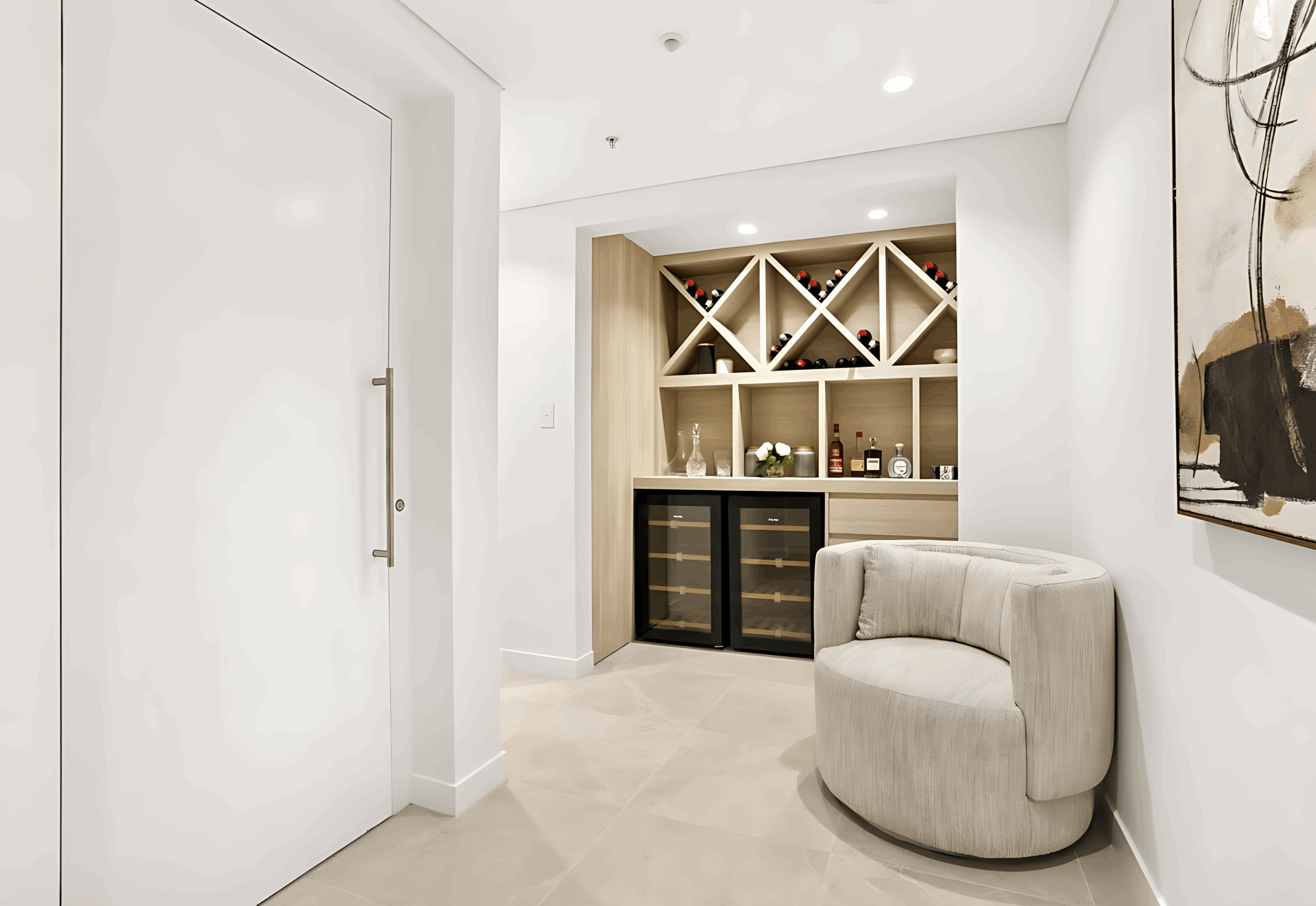
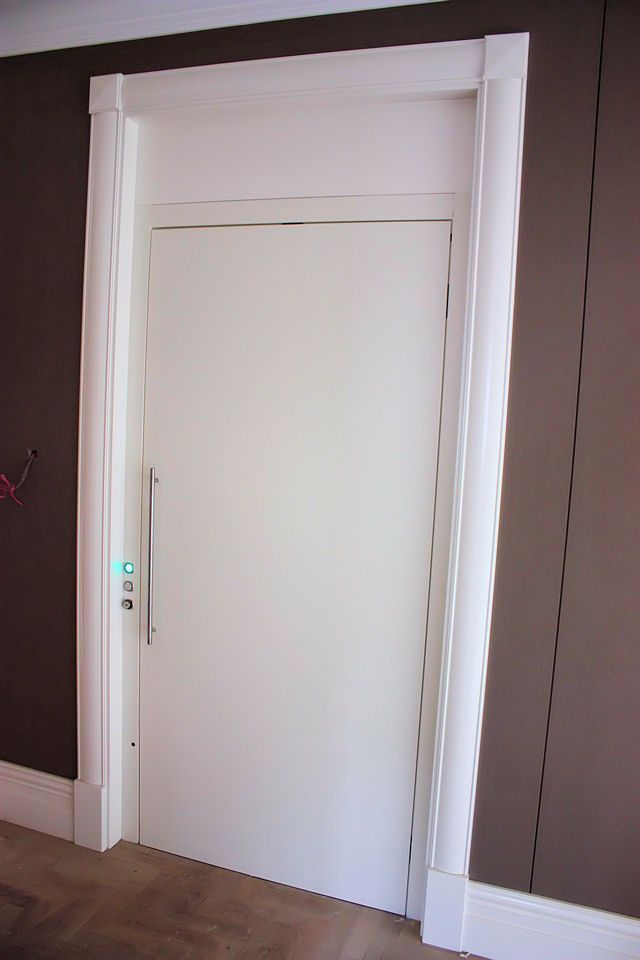
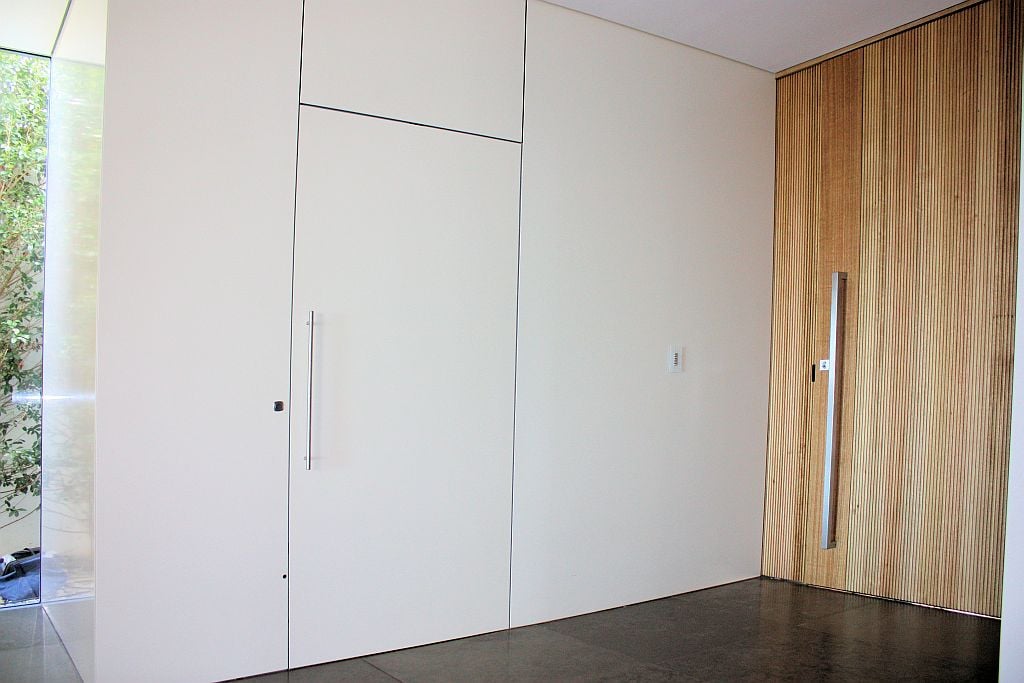
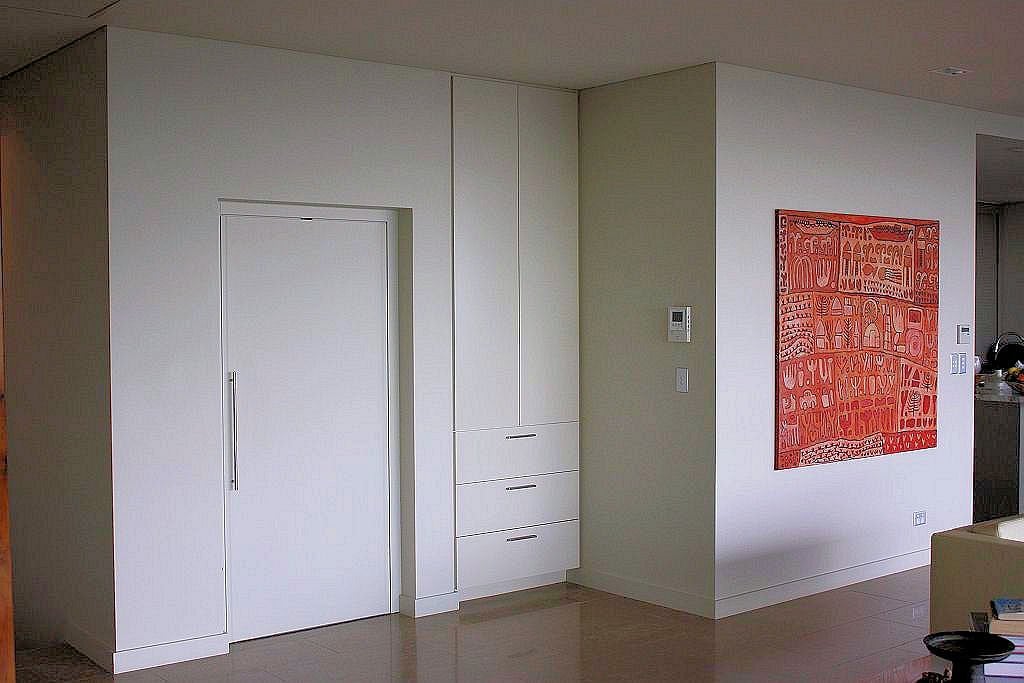
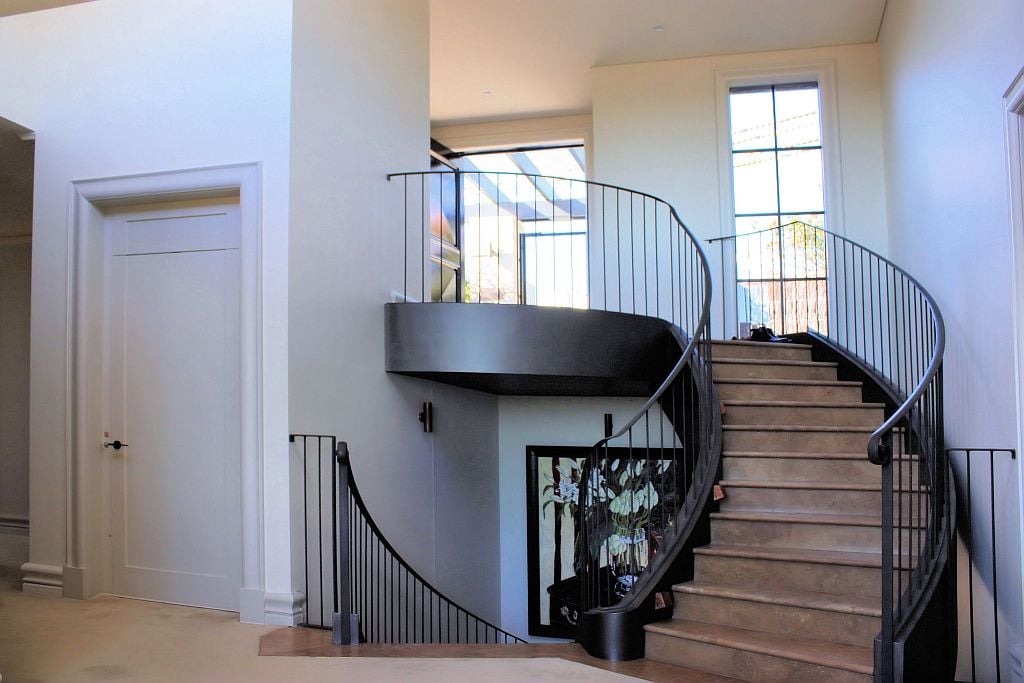
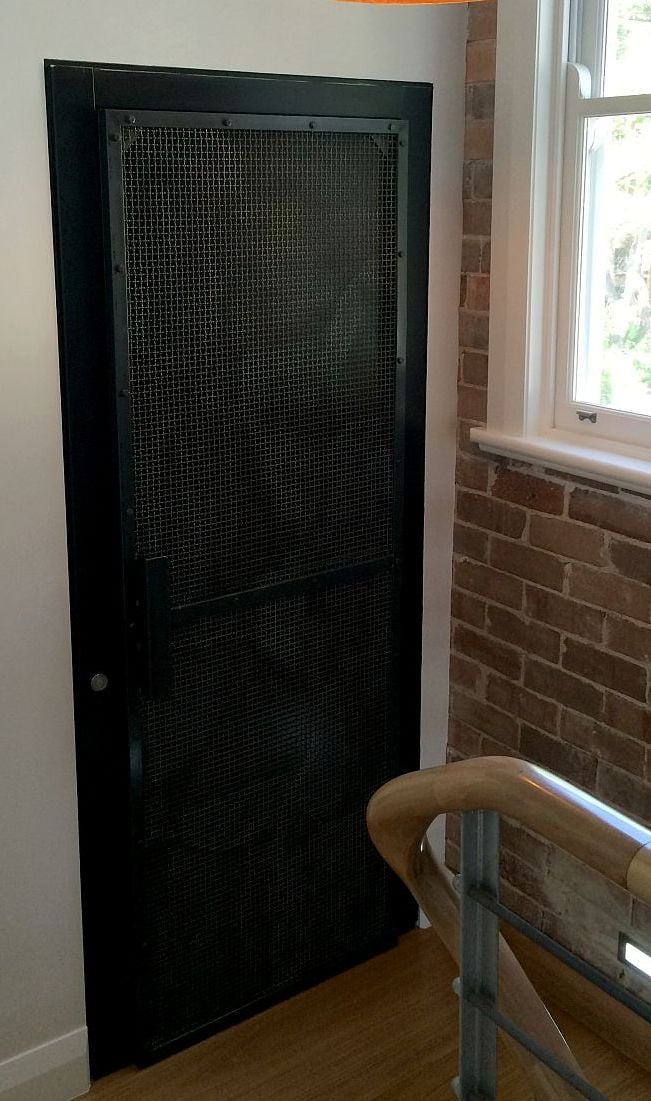
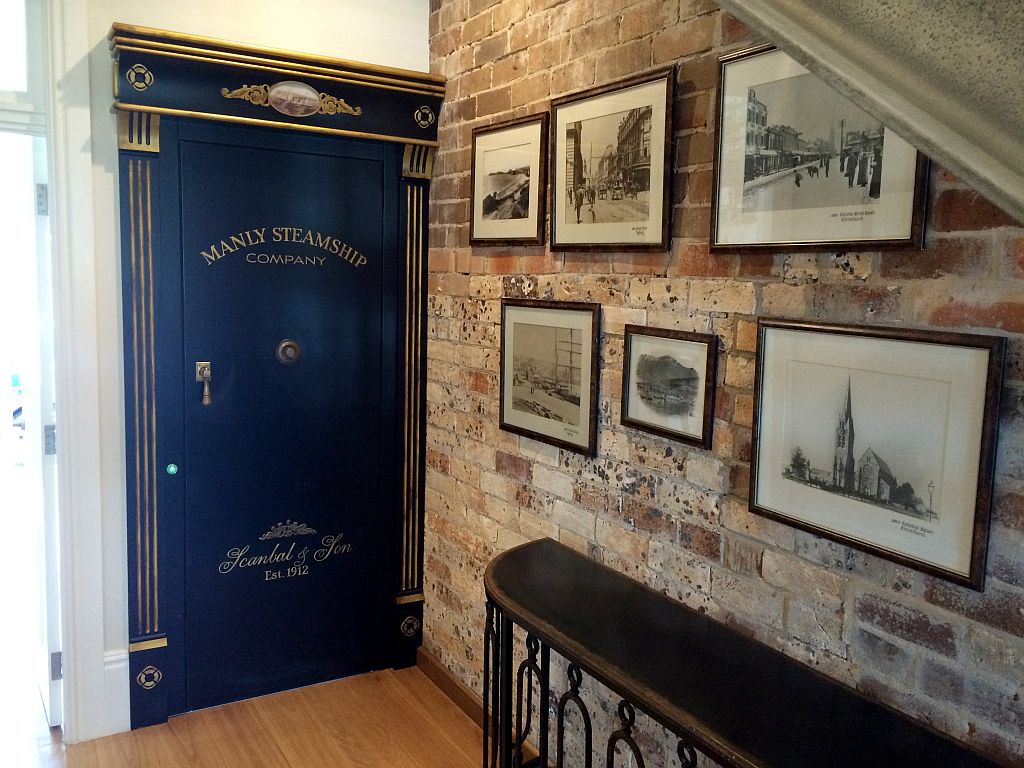
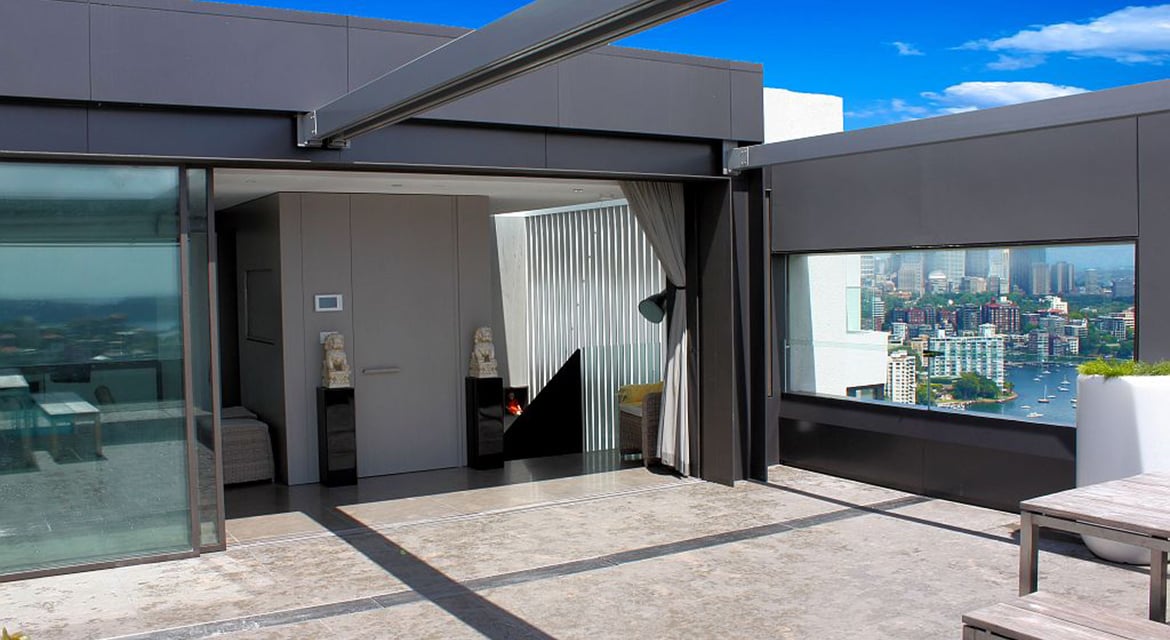
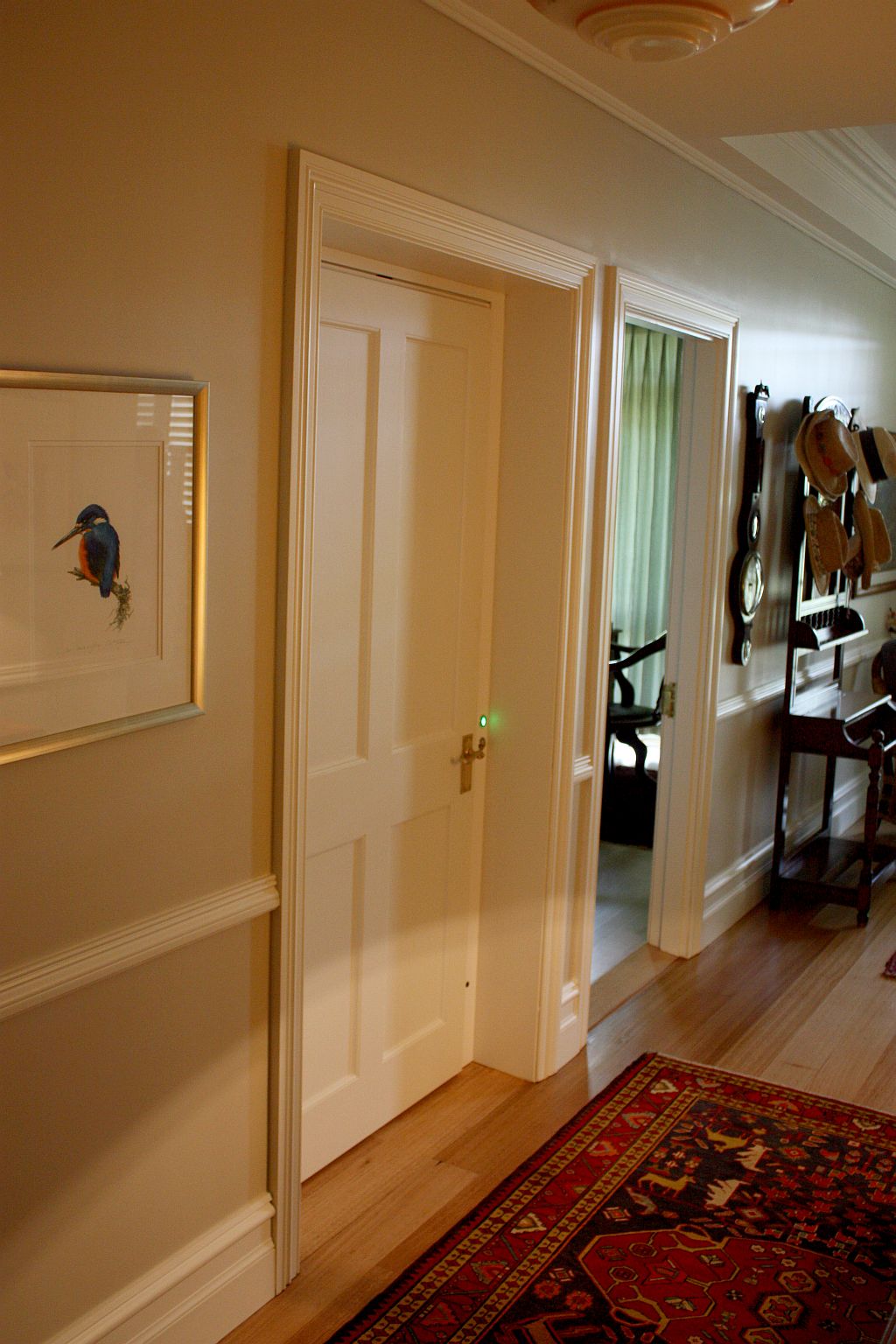
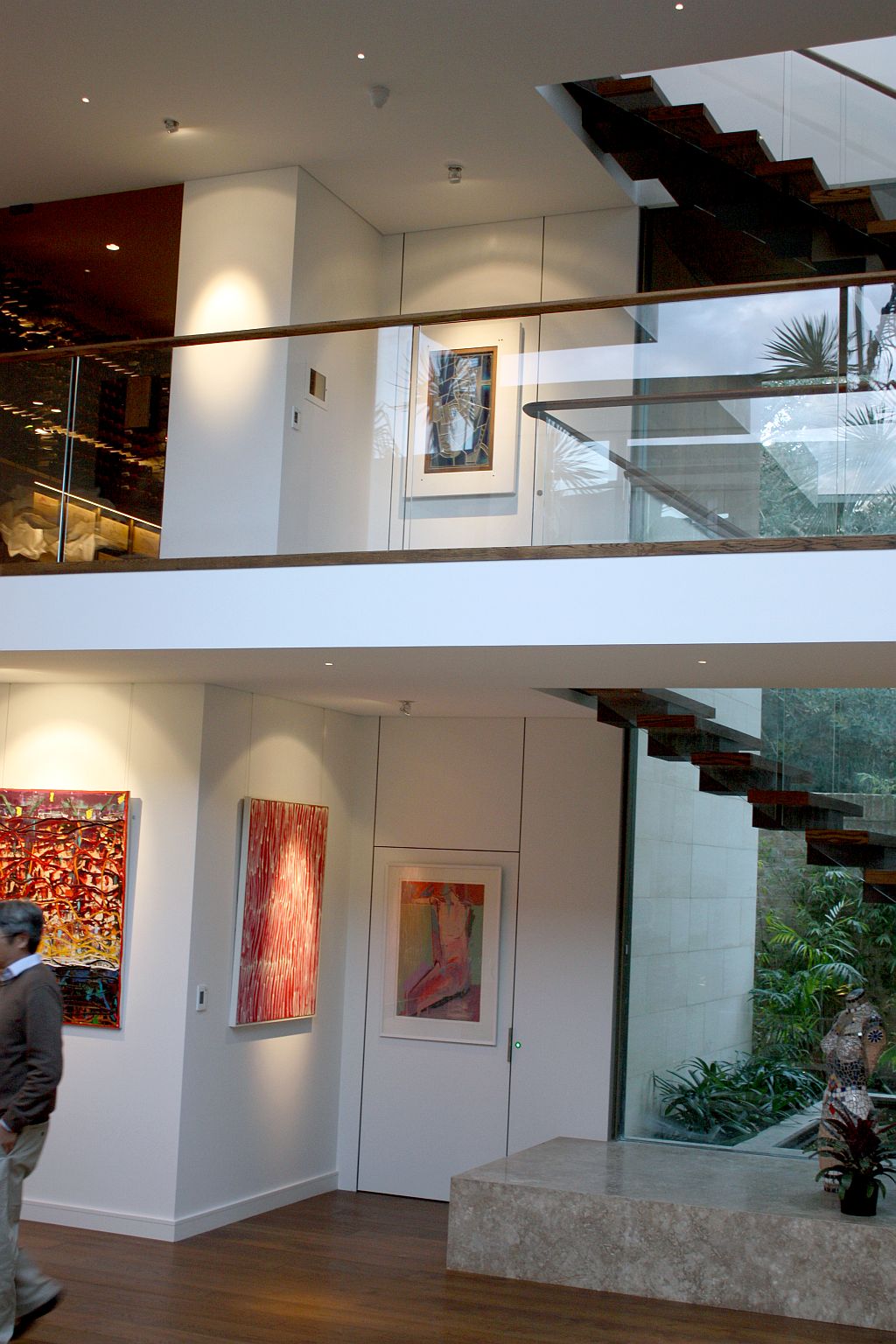
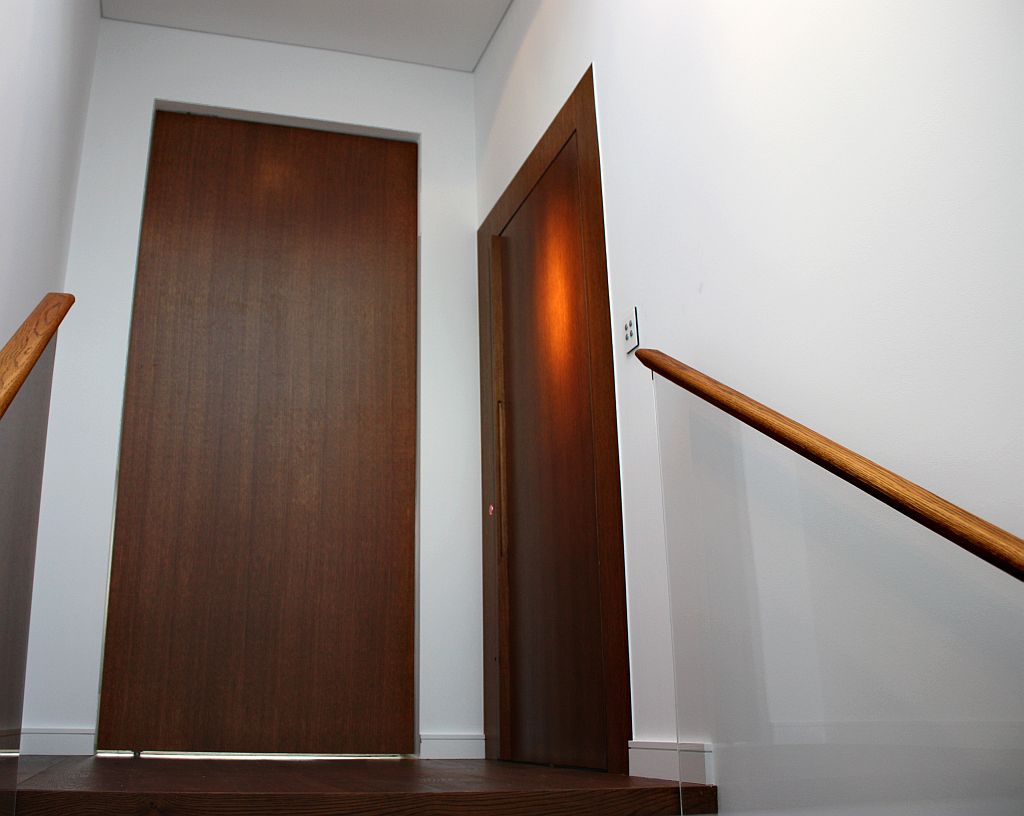
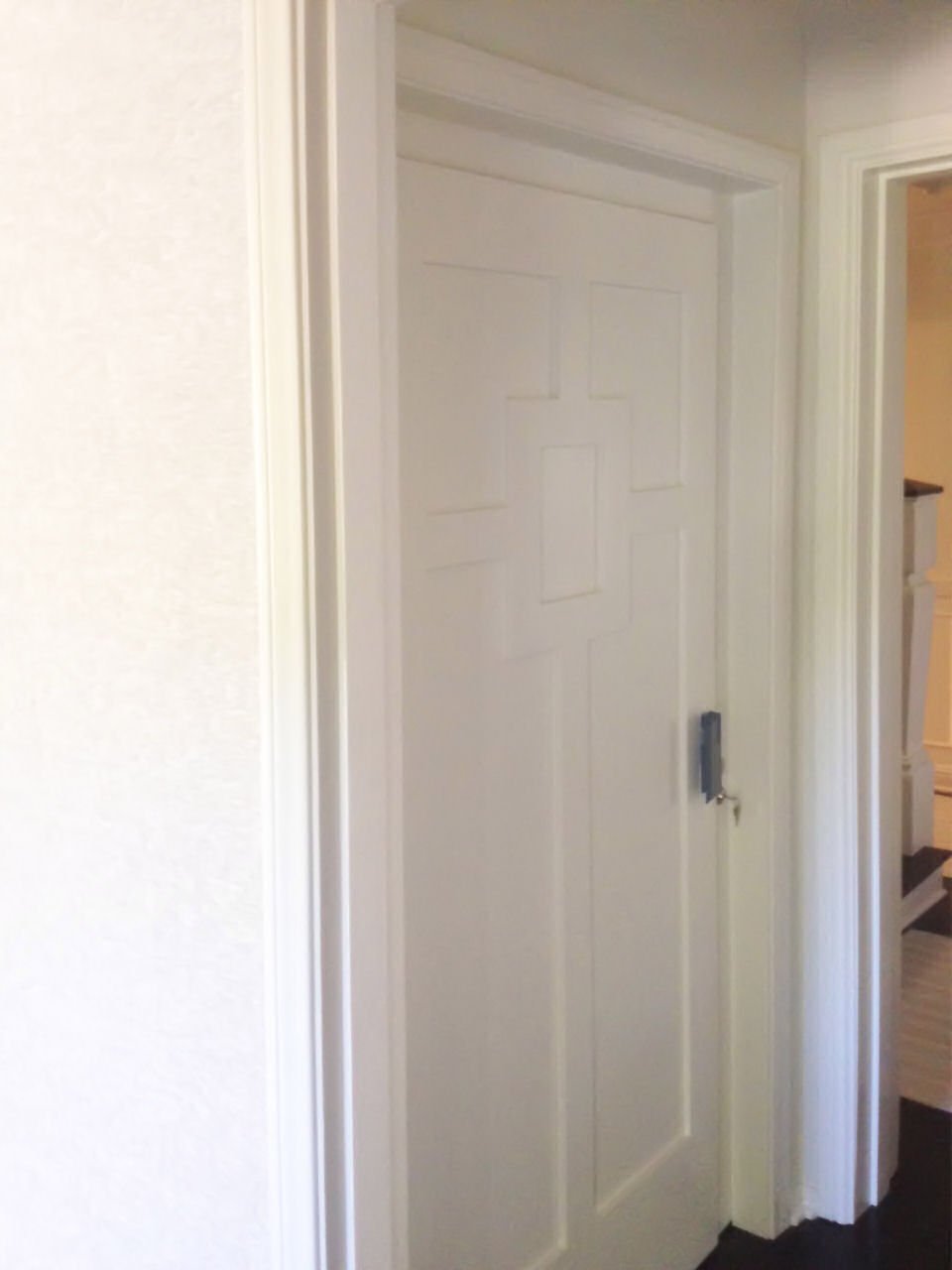
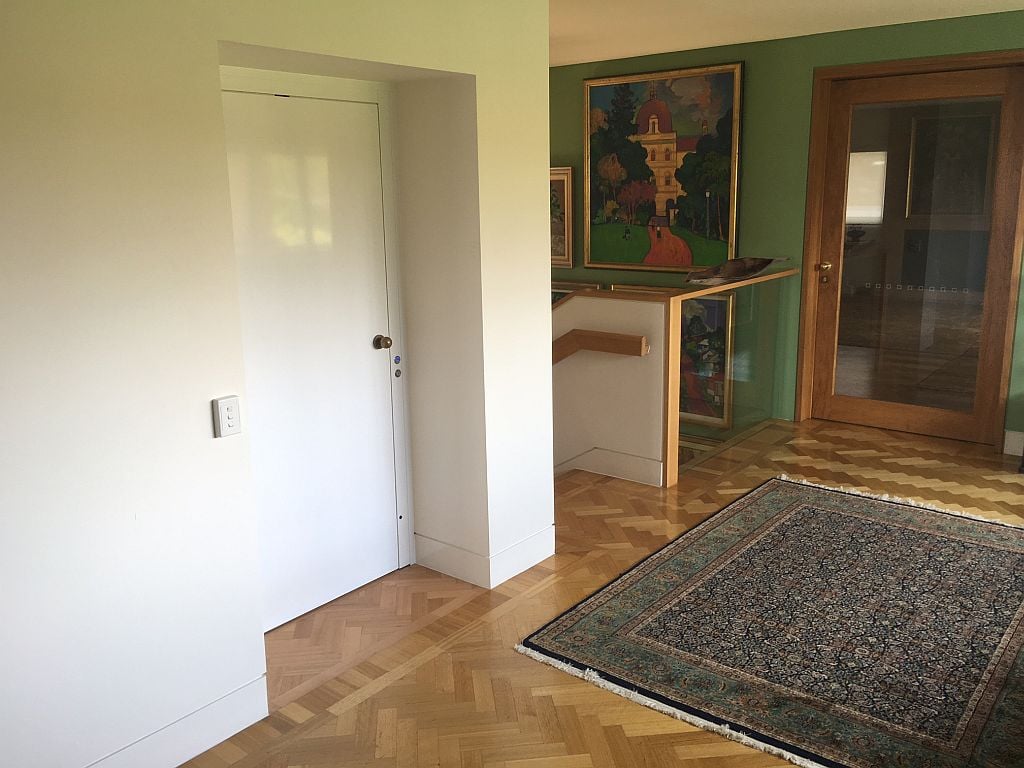
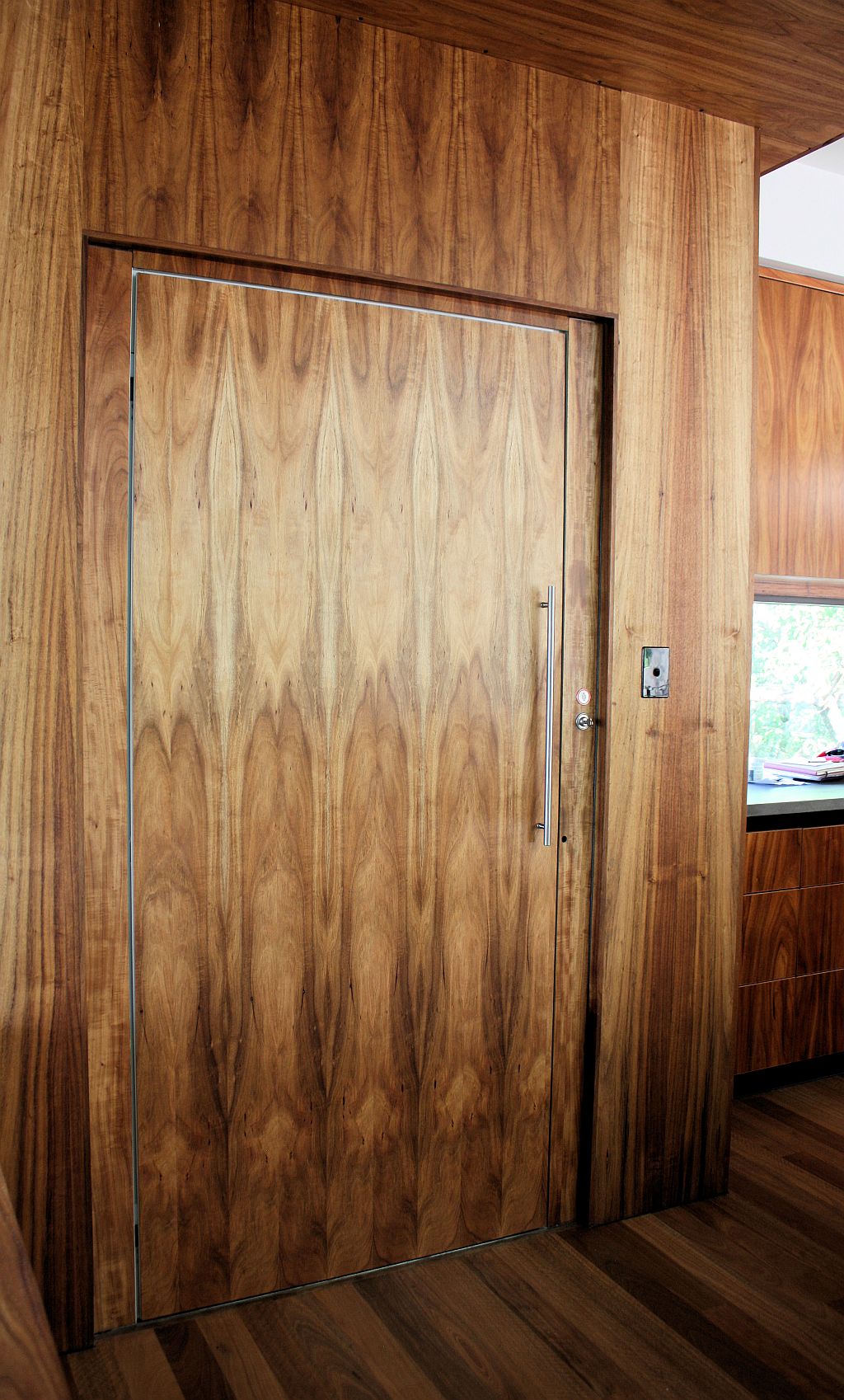
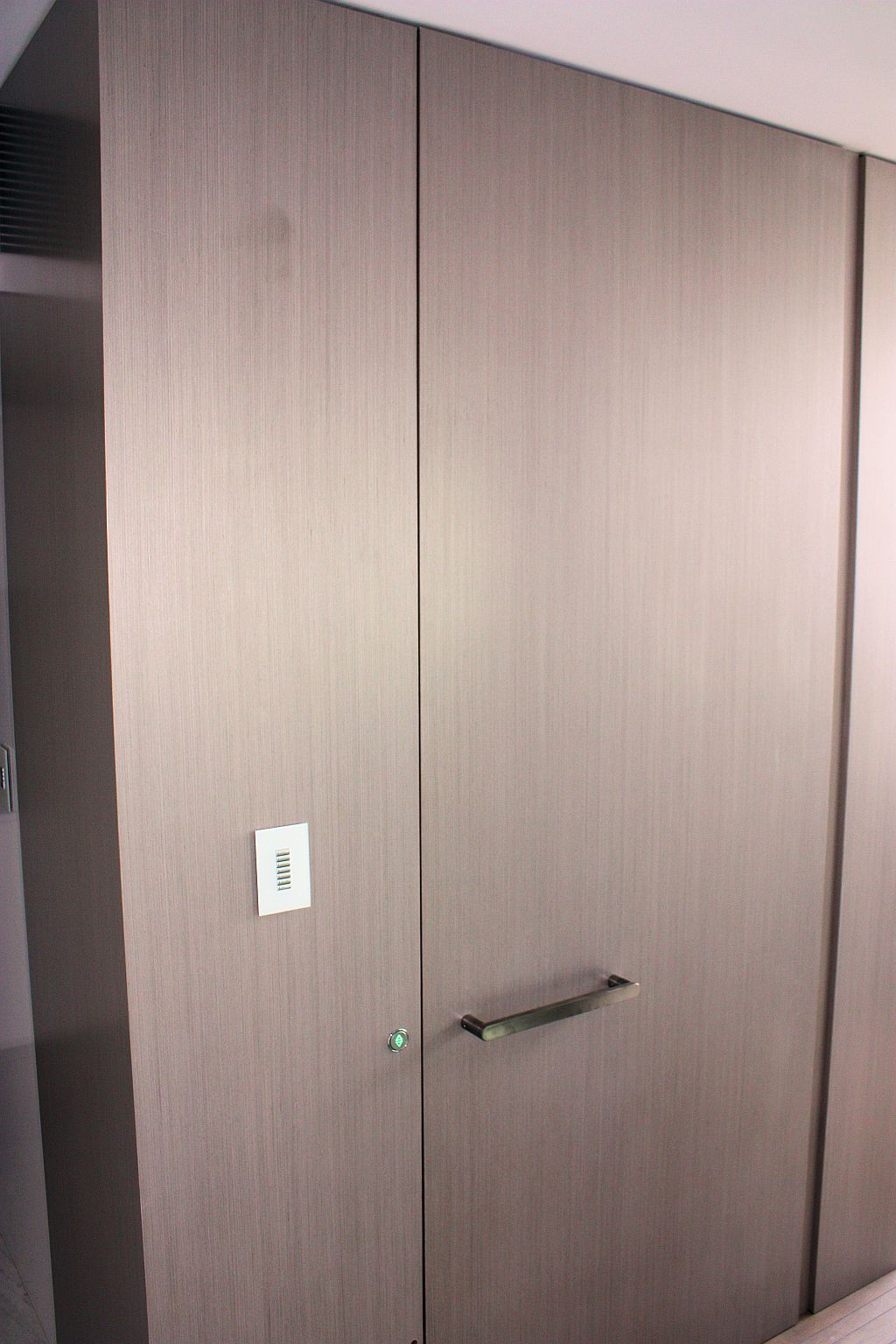
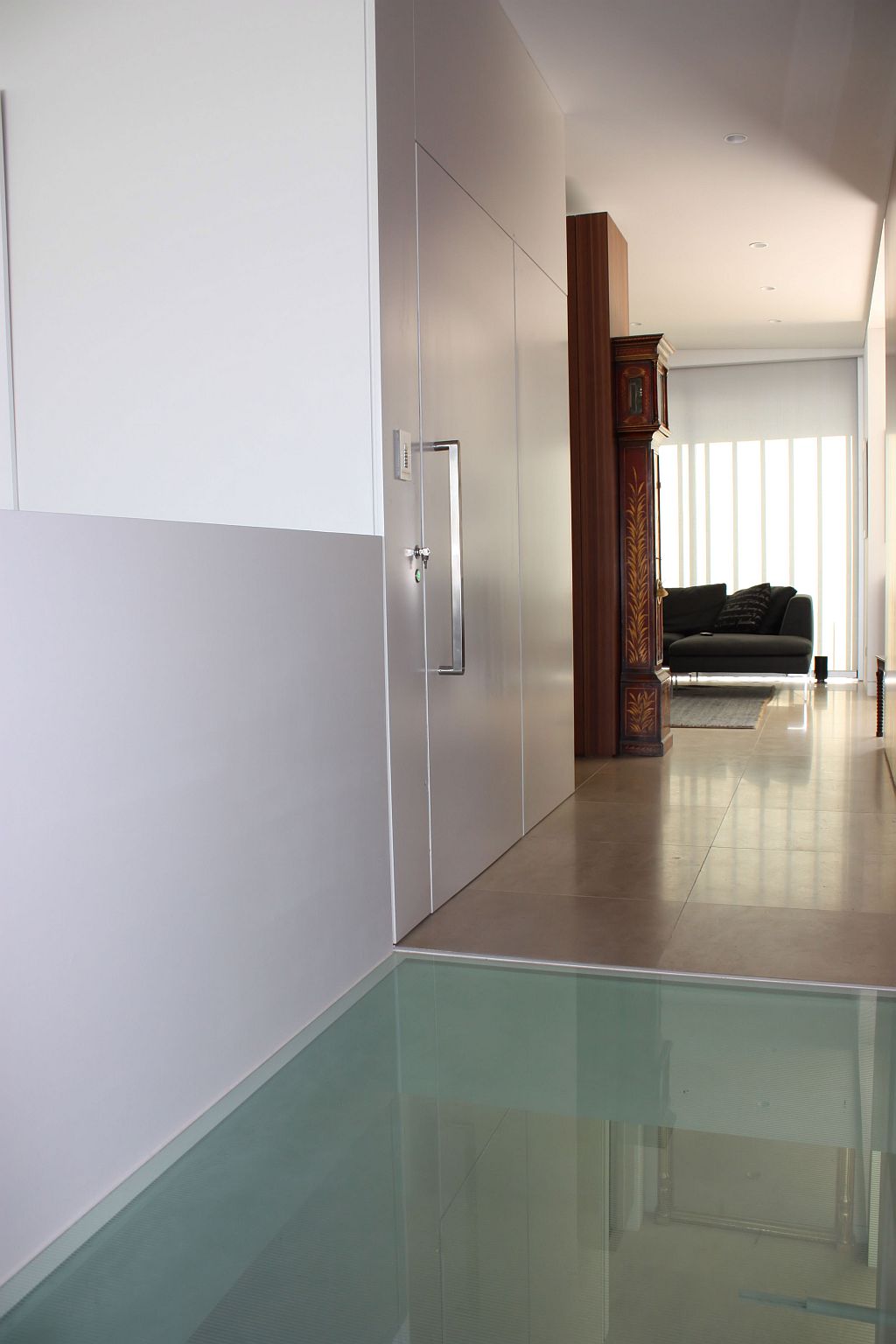
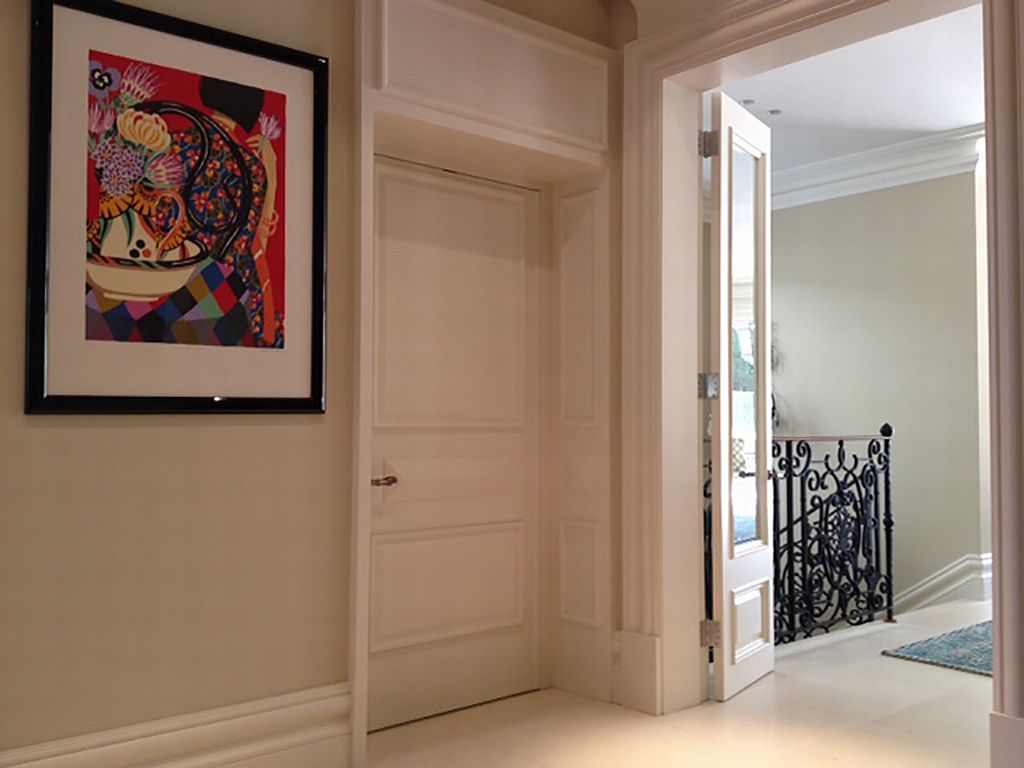
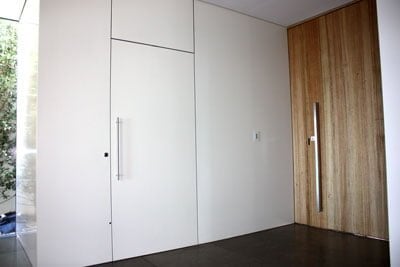
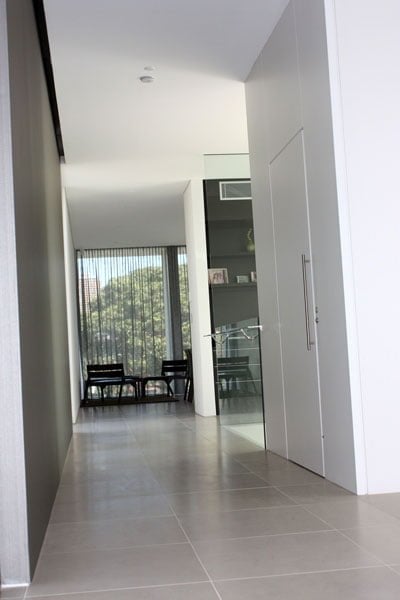
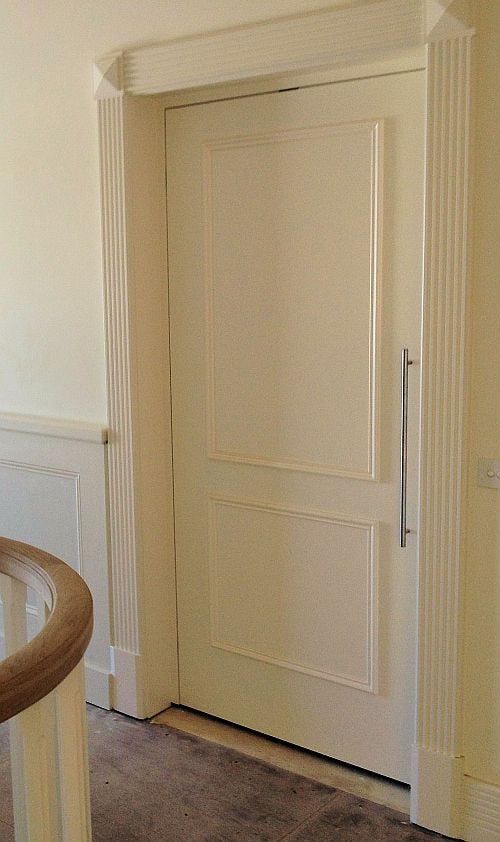
The most frequent mistakes are incorrect door opening dimensions (too small or too large), inadequate backing support behind cladding or panels, cladding that prevents full door swing, and button box openings cut before the door is installed. We also see undersized framing that sags under load, wall finishes applied before the lift is fitted (which then prevents proper sealing), and electrical conduits drilled through wall thickness without engineer approval. Following our detailed door preparation guide carefully eliminates most delays. We provide a final drawing for sign-off showing all critical measurements, and we recommend your builder reference this before any finishing work begins.
Door opening dimensions depend on your chosen lift series and door type (swing or sliding). We provide detailed engineering drawings showing the exact opening dimensions required for your specific configuration during the design phase. These dimensions must be accurate to within plus or minus 5 mm (+/-5 mm) to ensure the doors align properly and operate smoothly. The wall thickness must match the door thickness (typically 55 mm for standard installations). We work closely with your builder to confirm all opening dimensions before any structural work begins, and we recommend a final dimensional check on site before finishing.
Cladding material applied to lift door frames must not exceed 5 mm thickness, with 3 mm being our preferred maximum. Thicker cladding can interfere with door sealing, alignment, and operation. Common cladding materials include timber veneer, engineered wood, laminate, or composite materials. All cladding must be applied using approved adhesive, nails, or screws without penetrating through to the other side. On the hinge side, reduce or omit cladding for adequate door swing clearance. We provide detailed guidance on how to prepare the door frame and apply cladding correctly to stay within tolerance.
A flush hotel-style finish means the lift door frame sits level with the surrounding wall, with no gaps or offset. To achieve this, ensure the door opening is constructed with continuous, level backing on all sides (typically 190 mm solid blockwork extending 100 mm beyond the opening above and below). Cladding must be carefully aligned so the finished surface is flush and level. After the door is installed, your joiner can apply matching finishes (paint, veneer, or panels) over the entire wall area around the door, creating a seamless aesthetic. We provide guidance on frame preparation and recommend coordination between our team and your joiner to ensure proper alignment before any finishing work begins.
Yes. Your joiner or cladder can wrap the lift door frame with matching timber veneer, laminate, or other materials to create a seamless integration with surrounding cabinetry and finishes. This creates a bespoke, built-in appearance. The key requirement is that cladding thickness does not exceed 5 mm (3 mm preferred), and it must not interfere with door operation, sealing, or alignment. After the lift is installed and operational, we can advise your joiner on safe cladding techniques and material placement. We recommend involving your joiner early in the design phase so we can factor cladding into the door frame preparation and opening dimensions.
The call button opening must be cut only after the lift door is installed and the frame is fully secured. Cutting the opening before installation can create structural weakness or misalignment. The call button is typically positioned approximately 900 mm above the finished floor level (FFL), on the side near the door handle, for convenient reach. After the door is installed, we mark the exact button opening location and your builder cuts the opening to our specification. Maximum material thickness behind the button plate must be 3 mm. The builder then grooms and finishes the button box surrounds to match the surrounding wall.
The lift sill should be level with the surrounding finished floor level (FFL) within a tolerance that depends on the lift. An acceptable floor lip is minimal, ideally none. Any lip beyond that tolerance becomes an accessibility concern and a tripping hazard for all users. If the floors on either side of the doorway are at different levels due to building structure, we work with your builder to minimise the step. We measure the surrounding FFL during site assessment and provide guidance on how to achieve level sill alignment during construction.
Yes. We provide a detailed final drawing showing all critical door opening dimensions, sill level, button placement, and cladding tolerances for your builder and building certifier to sign off before finishing work begins. This drawing is specific to your project and serves as the single source of truth for construction. Finished floor level (FFL) is the elevation of the completed floor surface after all flooring materials (tiles, timber, carpet, etc.) are installed. It does not include construction screed or substrate, only the final walking surface. We confirm FFL with your builder early in construction and reference it in all dimensional drawings to ensure consistency throughout the project.
Before we install the lift, the following must be complete: the shaft must be constructed and certified as compliant, the door opening frame must be in place and dimensionally verified, all structural backing and wall finishes around the door must be complete, and the floor sill area must be finished to final level. Electrical power must be run to the lift location and tested. Any cladding or panel work around the door can proceed after installation, but the underlying structure must be solid and finished. Wall paint and final cosmetic finishes can occur after our installation, but we recommend they happen after testing to avoid damage. We work closely with your project manager to schedule installation at the optimal point in your build sequence.
Visit a Lift Shop showroom in Sydney, Melbourne, Brisbane or Perth (Canberra opening soon) and see the cabins, doors and glass options in person. We're also installing in Adelaide, the Gold Coast and the ACT. Lift Shop lifts are rated 5 stars by Australian customers and backed by an 8-year warranty.

Prices move. Your quote will not. Lock it in today and it holds for 12 months.
Or talk it through with a Lift Shop consultant on 1800 440 714